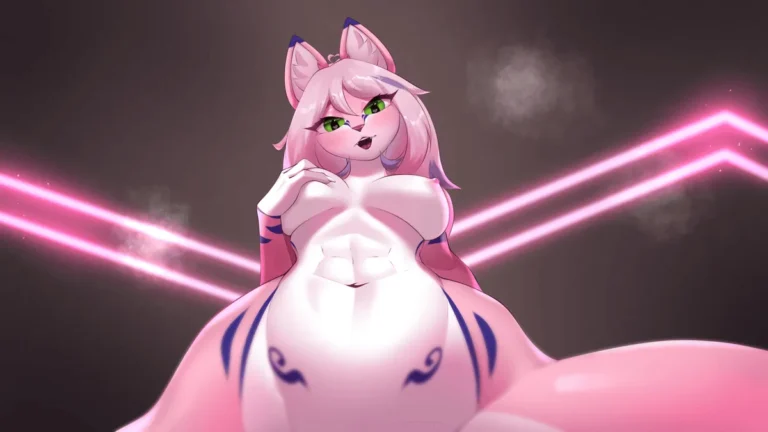
Broken Sky
Play Broken Sky
Broken Sky Screenshots


Broken Sky review
Exploring storytelling, mechanics, and creative potential in mature indie gaming
Broken Sky stands out in the indie gaming landscape as an adult furry visual novel that transcends typical genre expectations. Beyond its mature content classification, this title has garnered attention for its compelling narrative structure, innovative gameplay mechanics, and the evident creative effort invested by its developers. Whether you’re curious about the game’s storytelling approach, its unique mechanics, or what makes it resonate with players, this comprehensive guide explores what makes Broken Sky a noteworthy entry in the visual novel space. Understanding the depth of this indie creation reveals how modern game developers are pushing boundaries in interactive fiction.
Understanding Broken Sky’s Narrative and Worldbuilding
Let’s be honest—when you first hear “adult furry visual novel,” you might have a very specific, surface-level expectation. I know I did. 🦊 But then I played Broken Sky, and it completely rewired my brain about what this niche is capable of. The experience wasn’t just about the art or the mature themes; it was utterly captivated by the Broken Sky narrative. It’s a masterclass in how profound, character-driven stories can thrive in the indie space, proving that a compelling furry visual novel story can stand shoulder-to-shoulder with any mainstream narrative.
This chapter is a deep dive into the literary heart of the game. We’ll peel back the layers of its visual novel storytelling, explore the intricate character development in Broken Sky, and uncover the rich Broken Sky worldbuilding that makes its world feel so tragically alive. Forget what you think you know; this is about the power of a well-told story.
The Story Foundation and Plot Structure
At its core, Broken Sky operates on a deceptively simple indie game plot structure: a linear narrative with key branching points that lead to different endings. But calling it “simple” is a disservice. The genius lies in how it uses this familiar framework to deliver a potent, emotionally charged tale of loss, guilt, and the fragile hope for redemption.
The plot doesn’t waste time. You are thrust into the aftermath of a cataclysmic event—the “Breaking”—that has left the world scarred and society in tatters. You play as a survivor burdened by a painful past, navigating a dangerous landscape to reach the mythical “Skyhaven.” This journey-focused structure is brilliant. It provides a clear, forward-moving goal (reach the haven) while allowing the real story—the internal struggles of the characters you meet—to unfold during rests, in safe houses, and around campfires.
The pacing here is key. It mimics the exhaustion and tension of a real journey—long stretches of tense travel or exploration punctuated by intense, intimate narrative bursts where characters reveal their souls.
What makes the Broken Sky narrative so compelling is its commitment to consequence. The branching choices aren’t about picking a romantic partner from a menu. They are difficult, morally gray decisions that often involve sacrifice, trust, and defining your character’s core values. Choosing to share your limited supplies might earn you a loyal ally, but it could also make the next leg of your journey more dangerous. This integration of narrative choice with tangible survival pressure creates a cohesive experience where story and mechanics are inseparable.
Player feedback consistently highlights this strength. Many note how the plot avoids typical pitfalls of the genre, focusing less on shock value and more on genuine human (or, well, anthropomorphic) drama. It’s frequently compared favorably to story-heavy indie darlings, praised for having the narrative depth of a good novel with the interactive immersion only a game can provide.
The game employs several effective narrative techniques to keep you hooked:
| Narrative Technique | How “Broken Sky” Uses It | Effect on the Player |
|---|---|---|
| In Medias Res | The story begins after the major catastrophe, with the protagonist already in motion. The past is revealed through flashbacks and dialogue. | Creates immediate mystery and investment. We learn about the world and its tragedy alongside the protagonist. |
| Unreliable Narration | The protagonist’s memories of the “Breaking” are fragmented and painful. Their perspective on key events is shaded by guilt. | Builds deep intrigue and encourages players to piece together the truth, fostering a personal connection to the protagonist’s journey. |
| Environmental Storytelling | Ruined buildings, abandoned personal effects, and changed landscapes tell silent stories of the world before and during the collapse. | Enhances immersion and makes the world feel lived-in and truly broken, without needing exposition dumps. |
| Choice with Delayed Consequence | A seemingly minor act of kindness or cruelty in Chapter 2 may dramatically alter an interaction or open/close a path in Chapter 4. | Maintains long-term engagement and makes every decision feel weighty, encouraging careful thought and replayability. |
This structured yet flexible approach to visual novel storytelling ensures the plot is always serving the characters and the atmosphere, never feeling like a mere vehicle for other content. It’s a story with something to say.
Character Development and Dialogue Quality
If the plot is the skeleton, the characters are the beating heart of Broken Sky. This is where the game truly shines, offering a level of character development in Broken Sky that is rare and impactful. Each major character you encounter is not a stereotype but a complex individual shaped—and often shattered—by the post-Breaking world.
Take Kael, the weary, pragmatic fox scout you meet early on. 🦊 On the surface, he’s your typical guide figure. But as you travel together, his character arc unfolds through quiet moments. His pragmatism is revealed as a trauma response, a way to shield himself from further loss. Your choices can either reinforce his walls or help him cautiously lower them. This isn’t about “romancing” him in a trivial sense; it’s about building genuine trust, which the game treats as a far more valuable and earned currency.
This depth is delivered primarily through exceptional dialogue quality in visual novels. The writing in Broken Sky is its standout feature. Conversations feel natural, layered with subtext. Characters hesitate, speak over each other, use humor as a defense mechanism, and sometimes fall into heavy, meaningful silence. The dialogue doesn’t just convey information; it reveals character.
- Voice: Each character has a distinct, recognizable way of speaking. The gruff badger mechanic uses short, technical sentences, while the anxious rabbit medic speaks in rapid, worried bursts.
- Subtext: Characters rarely say exactly what they mean. A question about the weather might be a probe about your mental state. An offer to share a watch might be a plea not to be alone with their memories.
- Evolution: As relationships deepen, dialogue changes. Formal titles give way to names, guarded answers become vulnerable confessions, and sarcastic barbs soften into gentle teasing.
Let me give you a specific example. There’s a moment midway through the game where your group takes shelter in an abandoned library. In a quiet corner, a character who has been fiercely independent and sarcastic finally breaks down, confessing they can’t remember the sound of their sibling’s voice anymore. The dialogue here is sparse, raw, and punctuated by descriptive narration of their trembling hands and averted gaze. It’s a narrative technique that shifts from “showing” to a powerful, vulnerable “telling,” and it lands with incredible force. This moment doesn’t happen because you picked the right flirty option; it happens because you’ve consistently chosen to be a patient and supportive presence. The dialogue quality in visual novels is the vehicle for this payoff, and it’s flawless.
The visual novel storytelling format is perfect for this. By focusing on static (but beautiful) visuals and text, all the player’s attention is directed to the nuance of the writing and the voice acting. You read every hesitation, every emphasized word. You become hyper-aware of the space between lines. This is how Broken Sky builds empathy—not by telling you to care, but by making you a witness to these raw, beautifully written human moments.
Worldbuilding Elements That Enhance Immersion
A great story needs a great stage, and the Broken Sky worldbuilding is what transforms its narrative from a personal drama into an epic, immersive saga. The game understands a crucial principle: worldbuilding shouldn’t be an info-dump in a glossary; it should be the air the characters breathe, the ground they walk on, and the history that weighs on their shoulders.
The “Breaking” is more than a plot device—it’s a geological, social, and spiritual catastrophe that is felt in every aspect of the world. The game shows you this, rather than tells you:
* The Sky: It’s literally broken. Jagged, floating islands of earth and rock dot the crimson-tinged sky, a constant, beautiful, and terrifying reminder of the past cataclysm. This isn’t just background art; it affects travel, weather patterns (“shardfalls”), and the very mythology of the people.
* The Echoes: Remnants of the past—ghostly auditory and visual flashes—sometimes manifest in places of high emotion or tragedy. These aren’t random jump scares; they are poignant pieces of environmental storytelling that flesh out the world’s past in a deeply emotional way.
* New Societies: With the old world gone, new factions and codes have emerged. The pragmatic “Engineers” who scavenge technology, the spiritual “Weepers” who mourn the old world, the predatory “Marauders” who exploit the chaos—each group has a believable philosophy born from the ashes, making the world feel alive and contested.
This meticulous Broken Sky worldbuilding directly fuels the character development in Broken Sky. A character’s beliefs, fears, and goals are all informed by how they experienced the Breaking and how they survive in its aftermath. Their personal stories are microcosms of the world’s larger tragedy. When a character describes losing their home to a shardfall, you understand the visceral reality of it because the game has made the world’s dangers tangible.
The immersion is cemented by how seamlessly this world interacts with the indie game plot structure. Your journey to Skyhaven forces you to navigate these different societal remnants, negotiate with or evade various factions, and solve problems using your understanding of the world’s new rules. Finding a clean water source isn’t a generic task; it’s a story beat that involves understanding poisoned watersheds from the Breaking and potentially bargaining with a local settlement that controls a filter. The world presents problems, and the narrative grows from your solutions.
In the end, Broken Sky stands as a testament to the creative potential in mature indie gaming. It uses its mature themes not as a crutch, but as a lens to examine serious, resonant human experiences—grief, resilience, intimacy, and the search for hope in a hopeless place. Its Broken Sky narrative succeeds because every element is aligned: the structured plot provides the journey, the profound character development provides the soul, and the immersive Broken Sky worldbuilding provides the context. It’s a reminder that the most compelling stories are often found in the most unexpected places, waiting to be discovered by players willing to look beyond the surface. ✨
Broken Sky demonstrates that adult-oriented visual novels can deliver substantial creative value through compelling storytelling, thoughtful mechanical design, and polished artistic execution. The game’s success lies not in its mature content classification, but in the genuine effort developers invested in crafting a cohesive experience that respects player intelligence and engagement. From its well-written narrative and innovative mechanics to its distinctive visual presentation, Broken Sky represents the potential of indie developers to create meaningful interactive fiction. For players seeking a visual novel that balances mature themes with genuine artistic merit, Broken Sky offers a noteworthy experience that transcends genre conventions. Whether you’re interested in narrative-driven games, indie development, or the broader landscape of visual novels, exploring what makes Broken Sky resonate with its audience provides valuable insights into modern game design and creative storytelling.