Fates Collide
Play Fates Collide
Fates Collide Screenshots
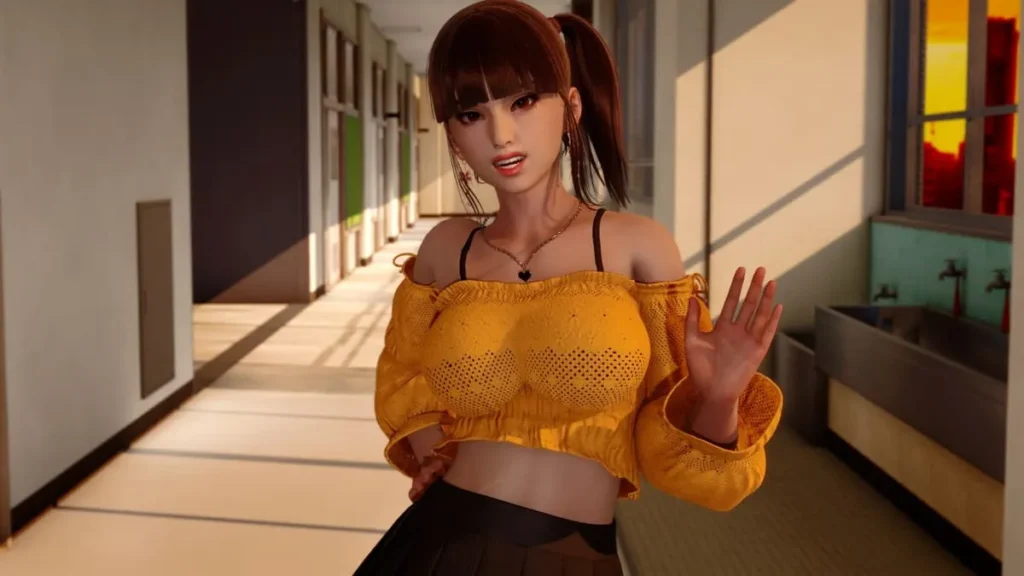
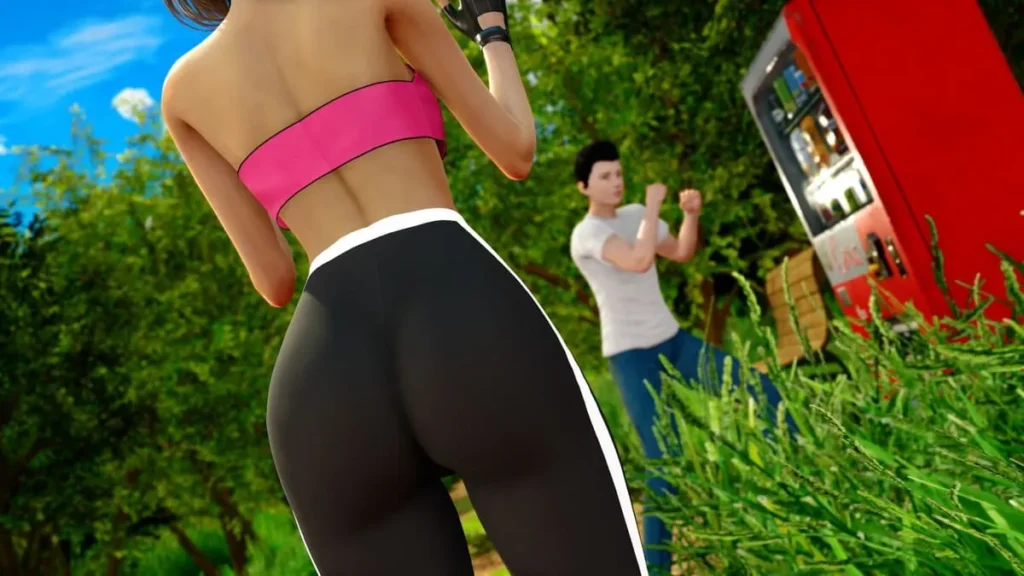
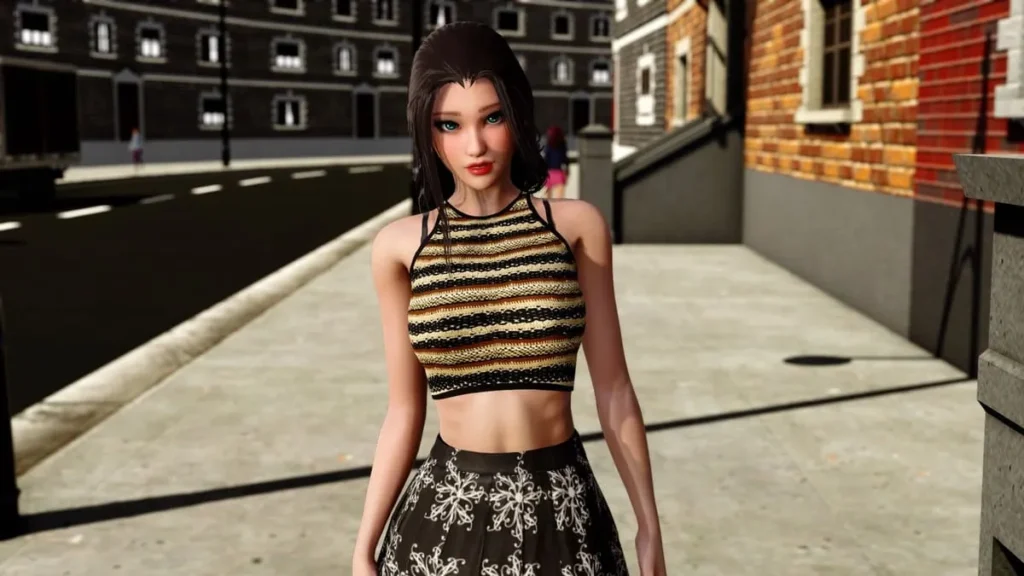

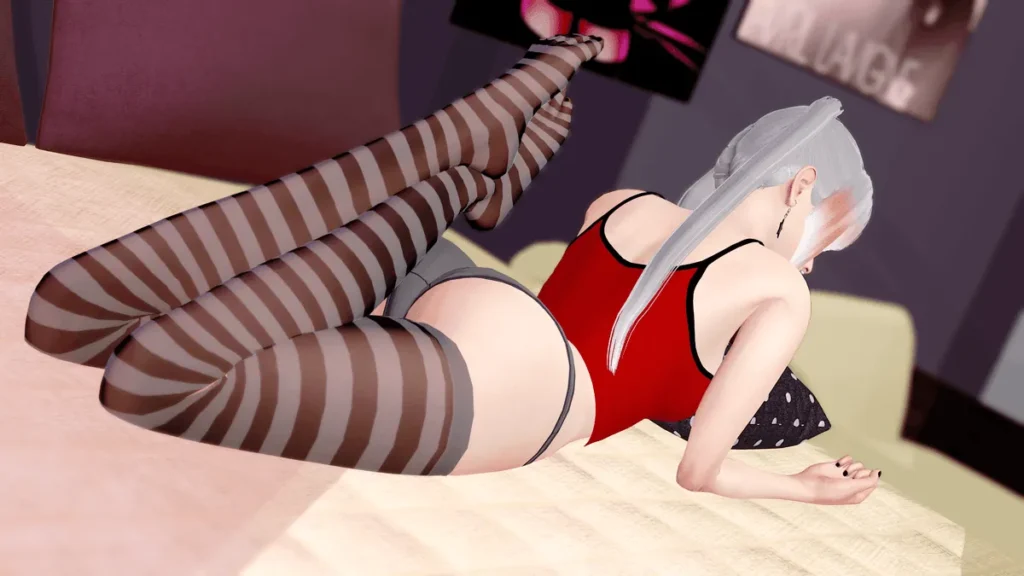

Fates Collide review
A comprehensive look at the visual novel experience, routes, mechanics, and player tips
Fates Collide is an adult-oriented visual novel that follows a student protagonist settling into campus life and forming relationships with multiple characters; this article unpacks its narrative structure, gameplay systems, and practical tips for players to experience the story fully. In the opening section I’ll explain what makes Fates Collide distinctive, summarize the tone and presentation, and offer quick guidance for choosing play approaches. I’ve spent time exploring the routes and replaying key decisions to surface actionable advice and personal observations to help you get the most from the game.
Overview: What Fates Collide Is and Who Made It
Let’s get one thing straight right from the start: Fates Collide isn’t just another title you scroll past. It’s an invitation to a world where every glance, every conversation, and every quiet moment you choose to share fundamentally alters the story. 🎭 If you’ve ever felt that thrill of wondering “what if I’d said something else?” then buddy, you’re in for a treat. This visual novel overview is your first step into a meticulously crafted experience about identity, connection, and the beautiful, messy consequences of our decisions.
I remember booting it up for the first time, thinking I had a handle on what to expect. I was so, so wrong. By the time I finished my first route, I was already itching to rewind time and explore a different path, to see how the tapestry of the story would unravel and re-weave itself with new colors. That’s the magic Fates Collide weaves from the very first click.
Brief synopsis and core themes
You step into the shoes of Alex, a character who arrives in the vibrant, sometimes daunting city of Lumina Harbor with a past they’re trying to outrun and a future that’s a blank page. 🏙️ Your goal isn’t to save the world from a cataclysmic threat; it’s to save yourself, to build a life, and to find genuine connection in a new place. The core loop is deceptively simple: live your days, meet a captivating cast of characters, and make choices—both big and small—that determine whose story becomes intertwined with your own.
This is where the classic visual novel route-based structure shines. Your journey branches significantly based on your interactions, leading you down dedicated paths with specific characters. Each route isn’t just a different romantic pursuit; it’s a unique lens on the game’s central themes. We’re talking about deep stuff here:
- Identity: Who is Alex, really? Are they defined by their past, or can they become someone new in Lumina Harbor? Your choices shape their personality and resolve.
- Relationships: Authentic connections are hard work. The game explores how trust is built (or broken), how vulnerabilities are shared, and what it means to truly support someone.
- Consequences: This isn’t a game where choices are black and white. A decision that brings you closer to one character might inadvertently push another away, or close off a subplot entirely. The weight of your agency is palpable.
It’s a narrative experience built on the idea that our fates truly do collide with others, creating sparks of joy, tension, drama, and sometimes, profound intimacy. On my last replay, I was genuinely surprised by how a throwaway line I’d chosen in chapter two came back in a deeply emotional confrontation much later. The writing is that attentive.
Developer background and release details
The world of Fates Collide was brought to life by KatanaVN, a developer that has clearly poured passion into this project. While they might not be a household name with a dozen titles under their belt, the polish and ambition evident in this release speak to a team focused on quality over quantity. For a studio’s major foray into the adult visual novel space with full animated 3DCG scenes, they set the bar impressively high.
The official game release was in 2023, making it a relatively fresh entry in the genre. It’s available primarily on PC, which allows for the richer graphical presentation it’s known for. Here’s a quick rundown of the essentials:
| Platform | Release Year | Developer | Basic System Focus |
|---|---|---|---|
| Windows PC | 2023 | KatanaVN | A dedicated graphics card is recommended for the best experience with the high-quality 3D scenes and animations. |
💡 Player Tip: Don’t just meet the minimum specs if you can help it. To truly appreciate the visual spectacle of the animated 3DCG scenes, a mid-range gaming PC or equivalent will let the game’s presentation shine as intended.
Presentation: art, animation and tone
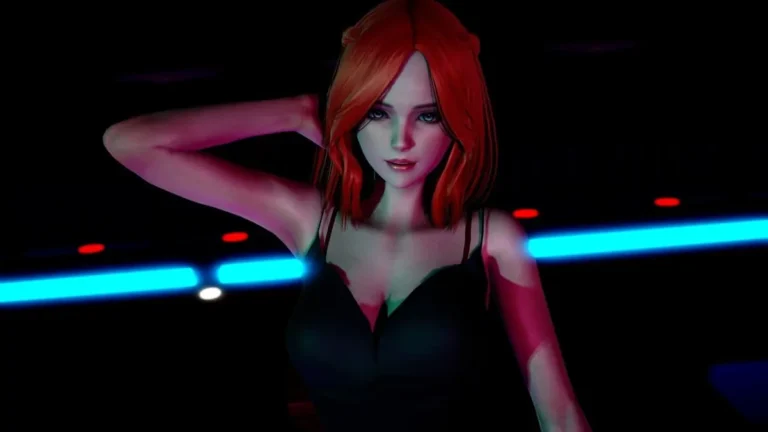
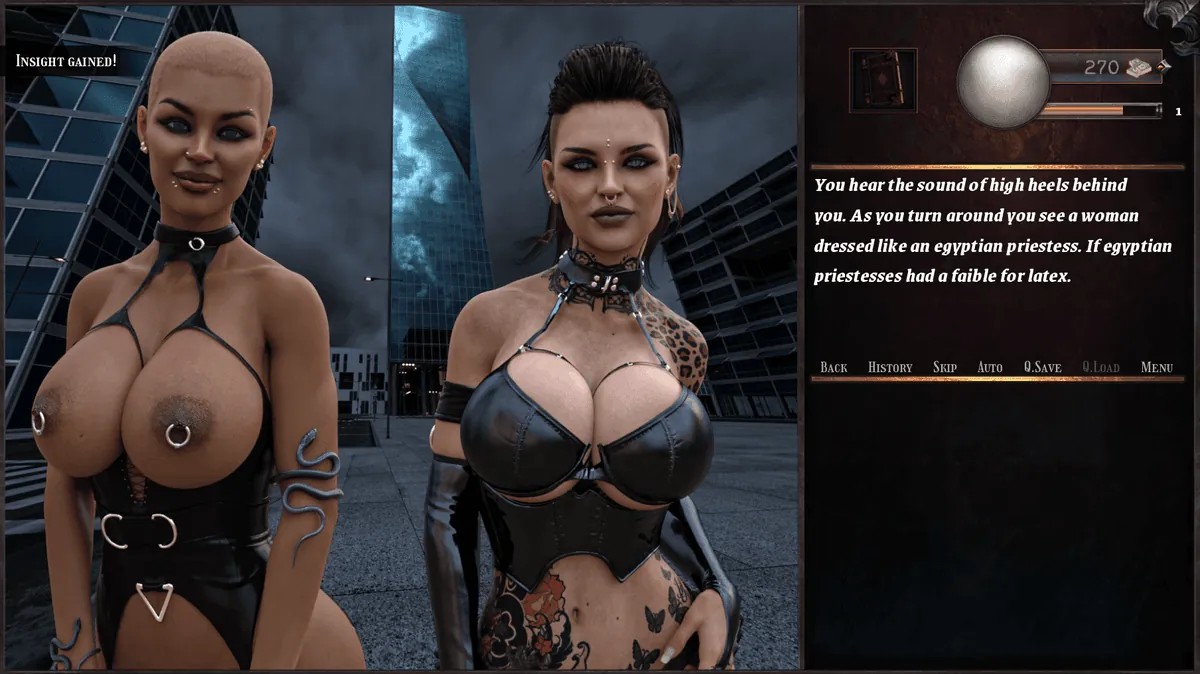
This is where Fates Collide makes its most striking first impression. Gone are the purely static 2D sprites against painted backgrounds (though there’s beautiful 2D art present!). KatanaVN has committed to a hybrid style that uses animated 3DCG scenes for key moments, character interactions, and, yes, the adult content. And let me tell you, it’s a game-changer. 🔥
The art style for characters is a fantastic blend of stylized realism. Characters are expressive, with detailed features and animations that bring them to life far beyond a looping sprite animation. When a character laughs, you see it in their eyes and the slight tilt of their head. When they’re nervous, it’s in the way they fidget. The 3D environments of Lumina Harbor feel lived-in and dynamic, from cozy apartment interiors to the bustling city streets.
Now, about those animated scenes. This is a core part of the Fates Collide experience. They are not cheap or jarringly inserted. During my playthrough, particularly in Elara’s route, there was a scene by the city’s waterfront at dusk. The way the light played off the character models, the subtle animation of the hair in the breeze, and the perfect framing of the moment felt incredibly polished. It transcended being just a “feature” and became a powerful narrative beat.
This leads perfectly into the tone and how the game handles its mature elements. Fates Collide is, at its heart, a romantic and dramatic story. The adult visual novel content is woven directly into that narrative. These intimate moments are treated as crescendos in a relationship’s development—they are earned through emotional build-up and character development, not random occurrences. They feel like a natural, if explicit, extension of the connection you’ve been fostering. Nothing feels gratuitous; it feels consequential.
The UI design is clean and intuitive, keeping the focus squarely on the story and characters. The music and sound design deserve a shout-out too, perfectly underscoring moments of tension, tenderness, and everyday life. The overall package delivers a mature experience not just in its content rating, but in its thematic treatment of relationships and self-discovery.
As for unlocking content, it works as you’d hope: through your choices. You can’t access every character’s route or every intimate scene in one playthrough. The game respects the weight of decision-making. You live with your choices, and the rewards (narrative and otherwise) are tailored to the path you’ve walked. This design makes every replay feel distinct and valuable.
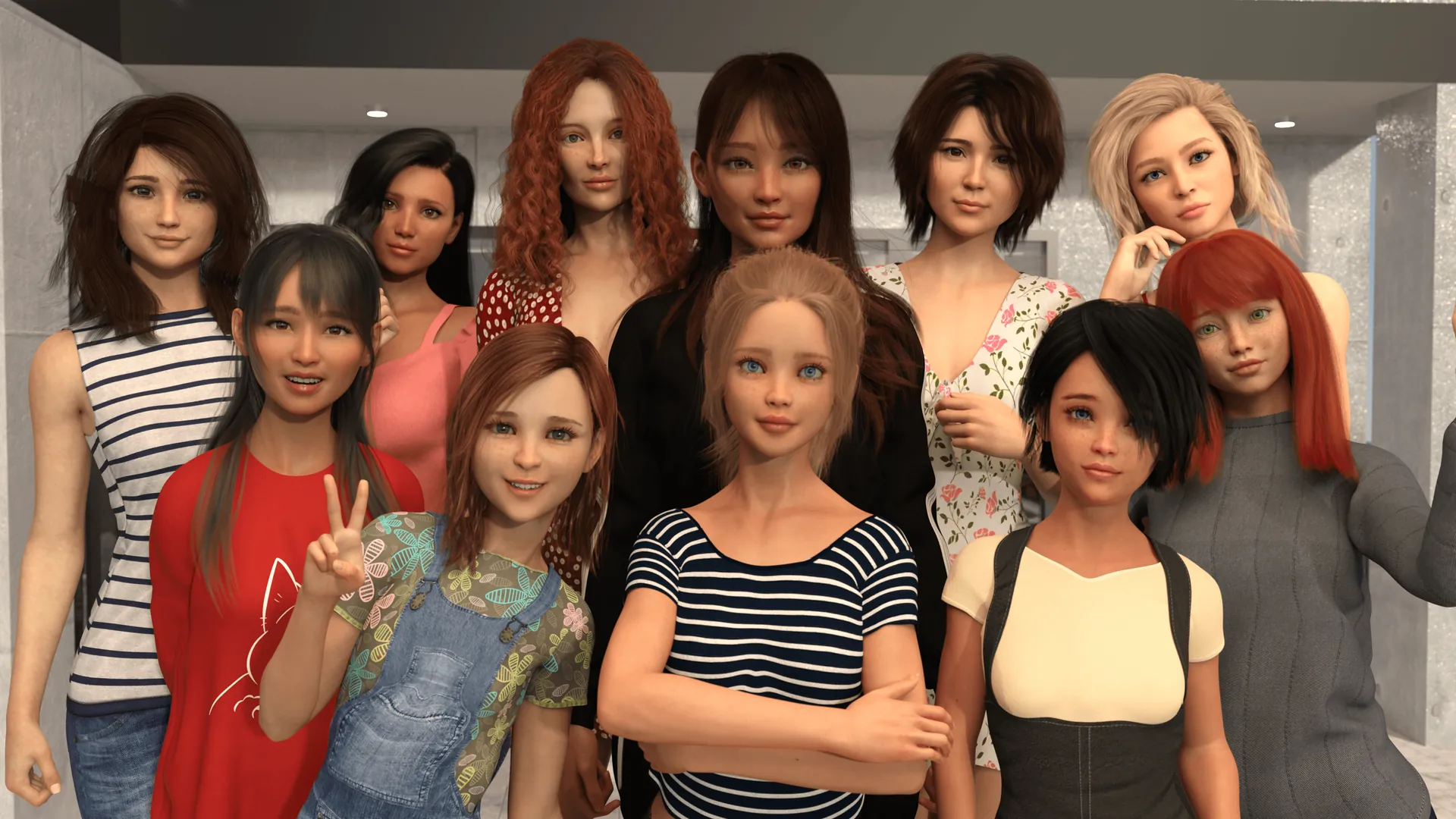
So, now that you have a solid grasp of the world, its creators, and its stunning presentation, you’re probably wondering about the people who inhabit Lumina Harbor. Who will Alex connect with? Whose story will resonate with yours? Let’s meet the captivating cast and delve into the heart of the Fates Collide experience: its characters and the unforgettable routes they offer.
Fates Collide offers a route-driven visual novel experience with layered characters, polished presentation, and mechanics that reward thoughtful choices; by understanding the routes, managing saves carefully, and using the community for support you can uncover every path the game offers. Use the practical tips and playthrough roadmap above to plan your sessions, document choices, and revisit the story with purpose. If you want more targeted help, try one route with the recommended early choices, share your experience in community hubs, and iterate on your approach based on what resonated most.