Rick and Morty Sex Game : Another Way Home
Play Rick and Morty Sex Game : Another Way Home
Rick and Morty Sex Game : Another Way Home Screenshots

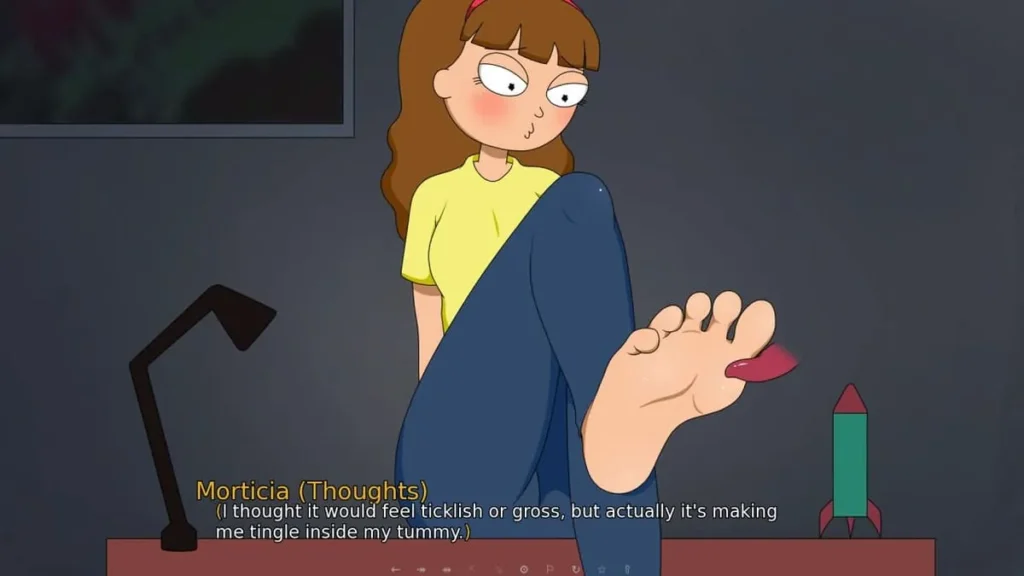

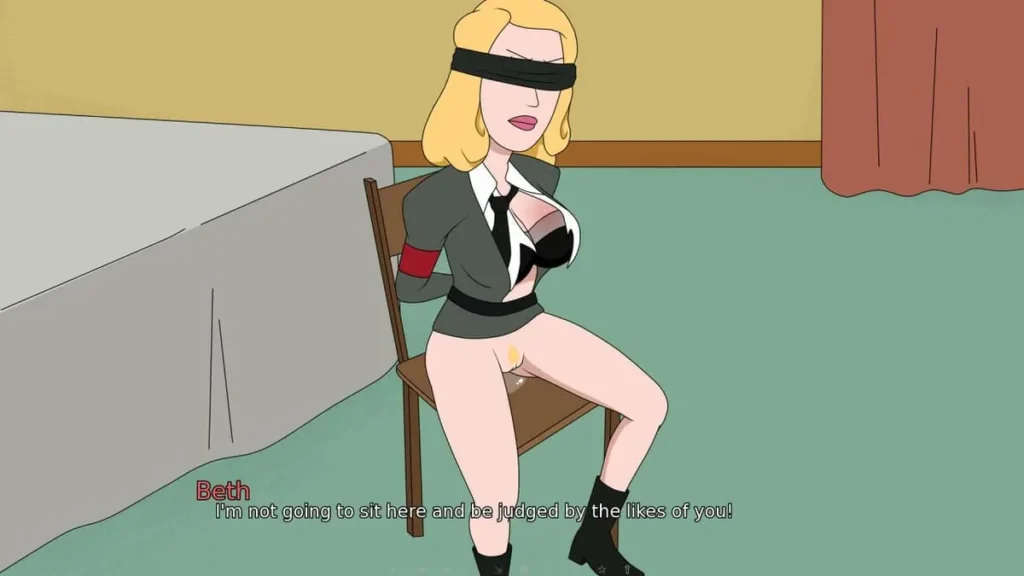
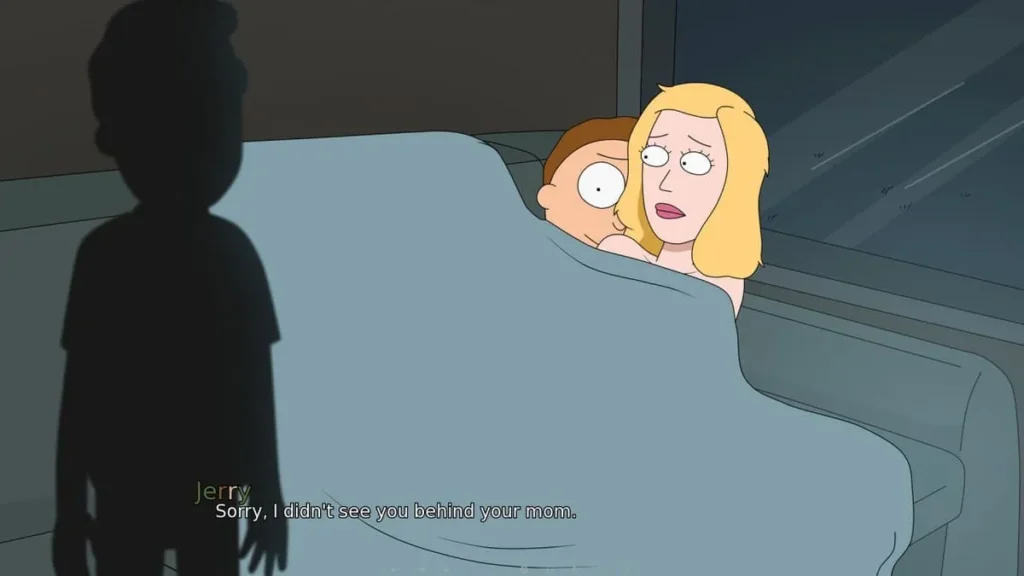

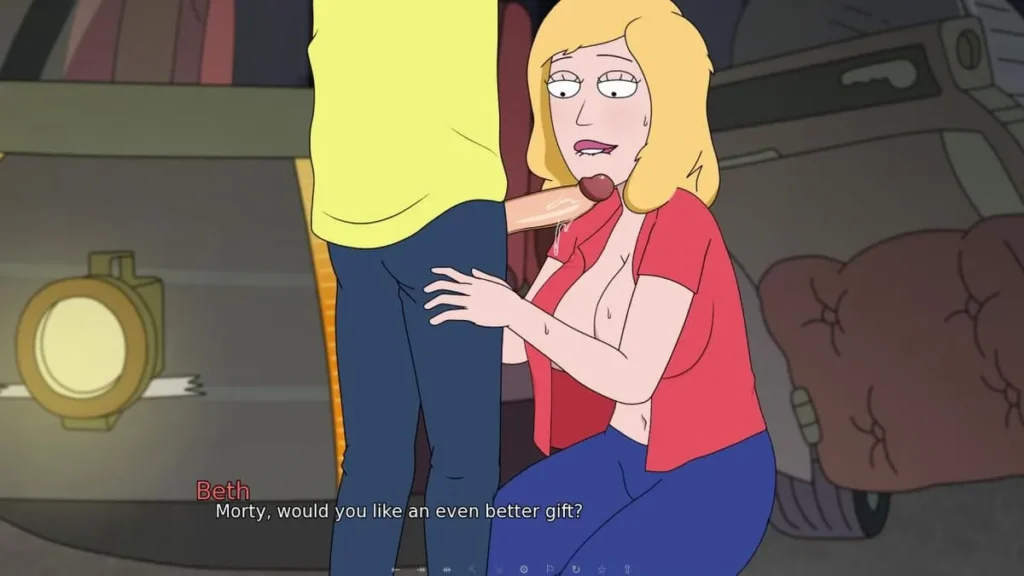


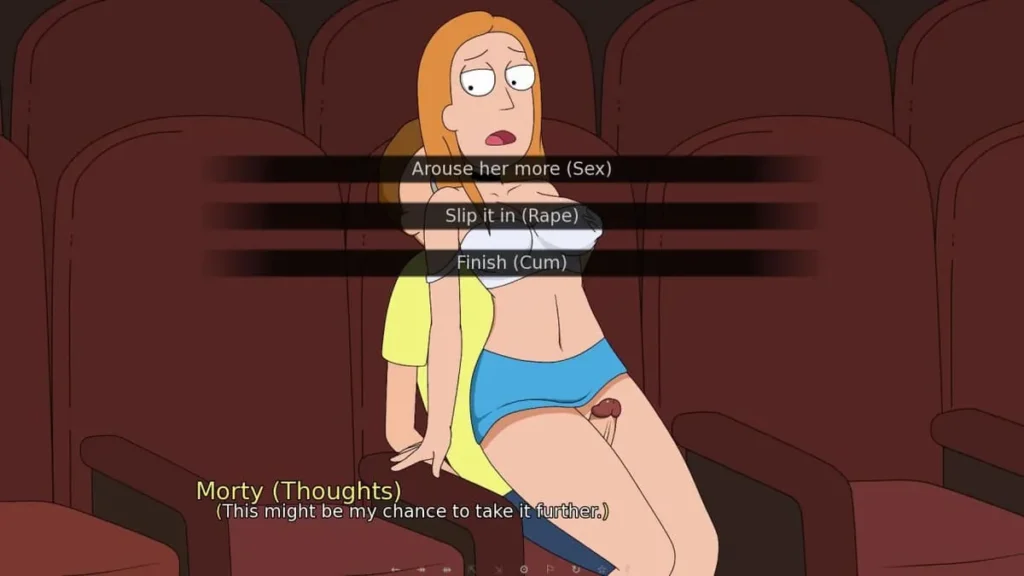

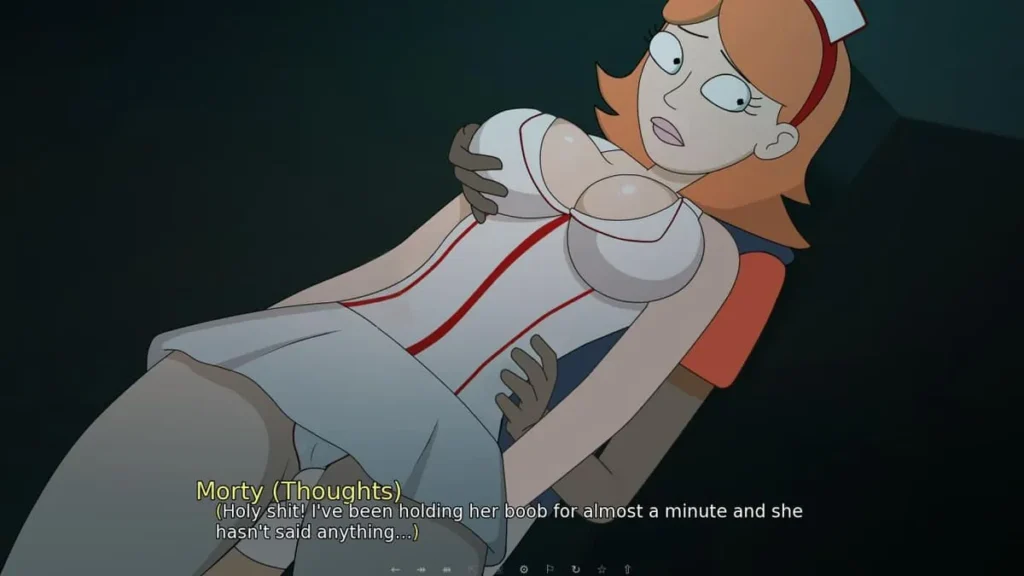







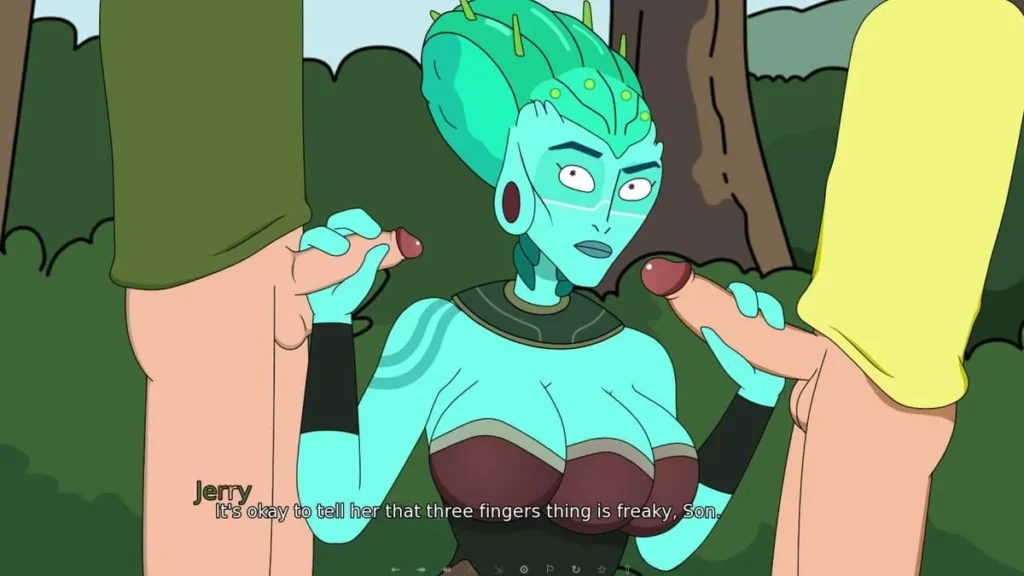



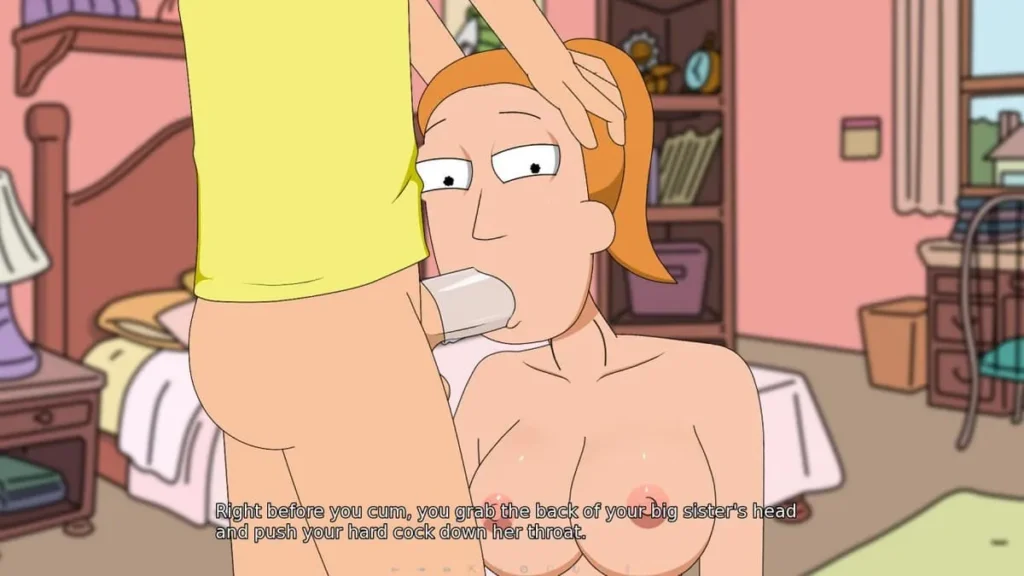
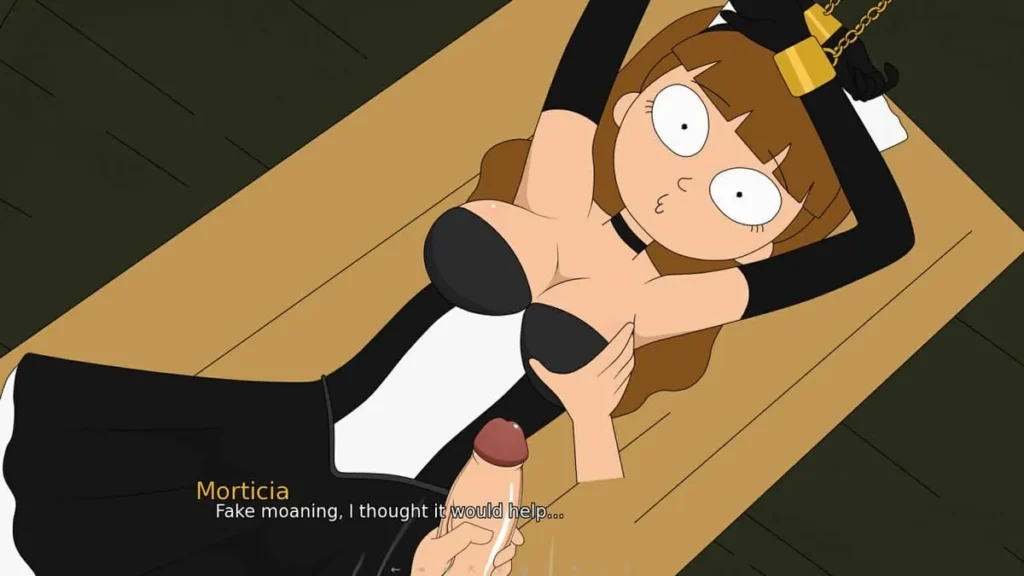
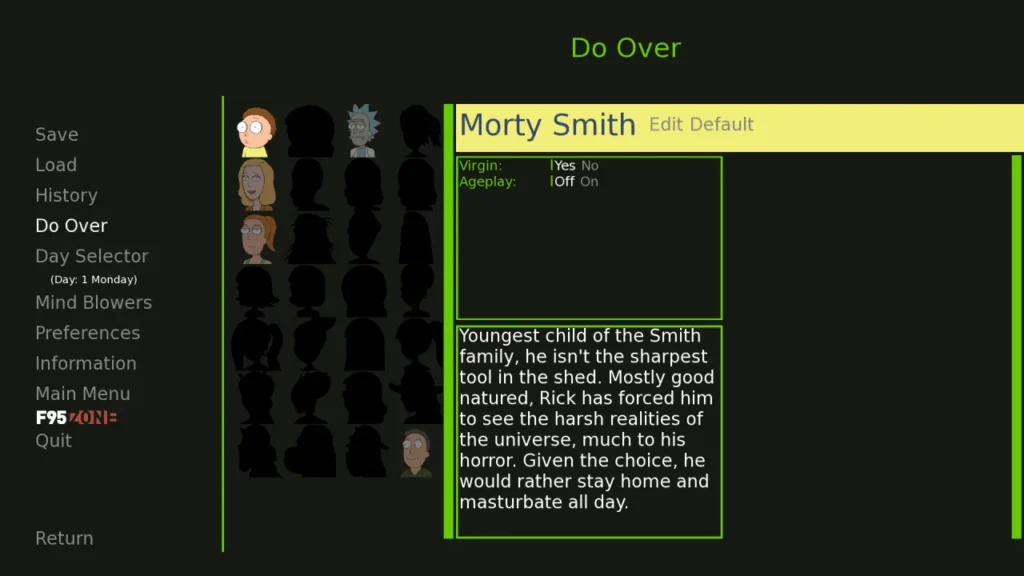
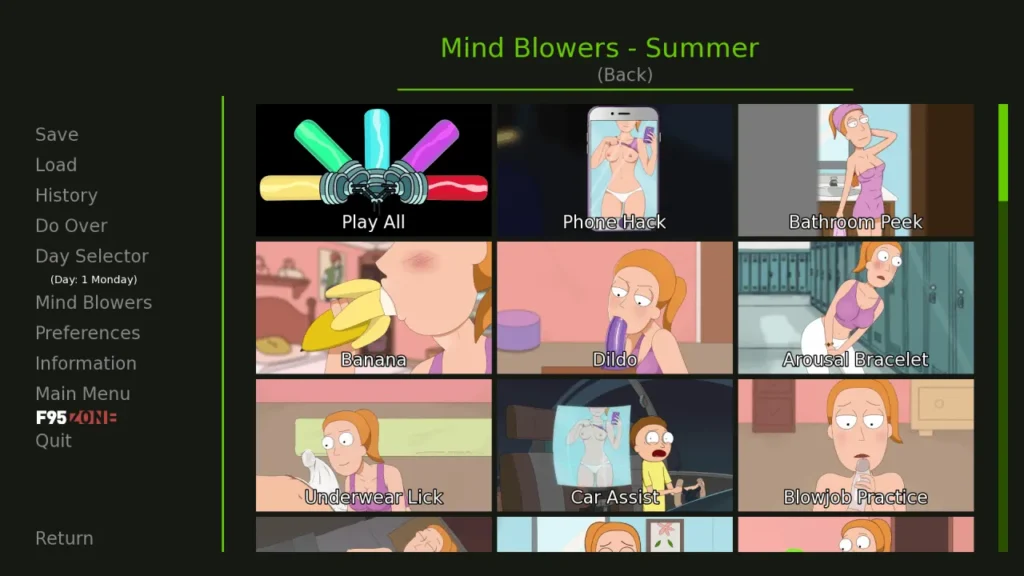
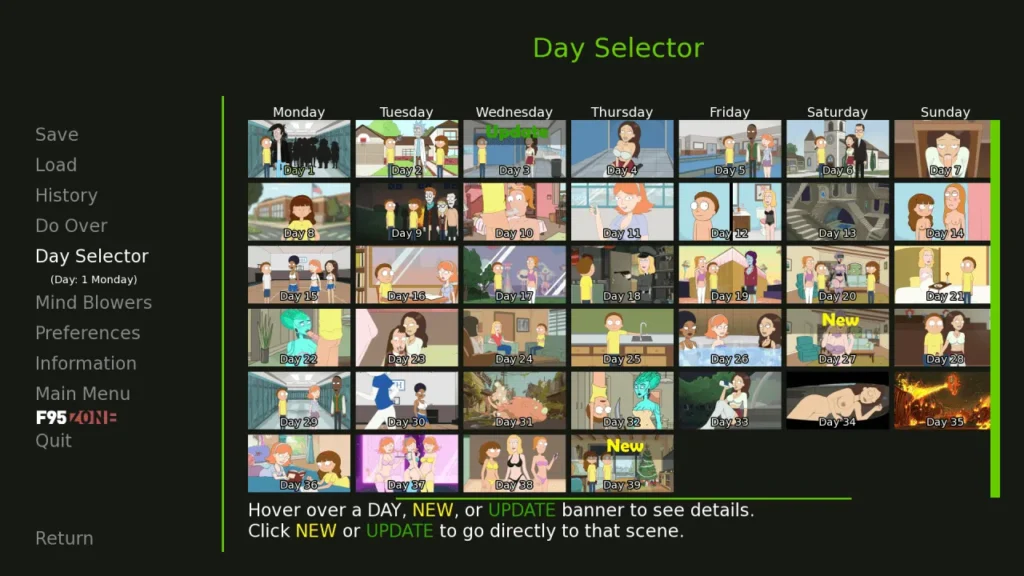
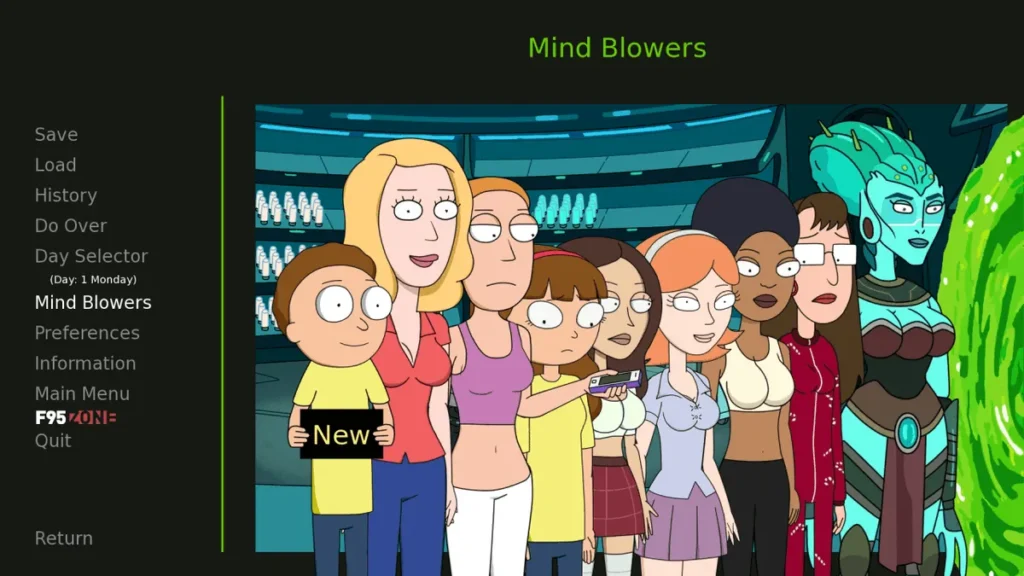
Rick and Morty Sex Game : Another Way Home review
Complete Overview of Gameplay, Features, and Story Elements
Rick and Morty: Another Way Home is an unofficial fan-created interactive adventure game that brings the chaotic energy of the hit Adult Swim series into an immersive digital experience. This choice-driven narrative game invites players to explore alternate dimensions, make consequential decisions, and uncover multiple story paths as Morty attempts to navigate his way back home. Whether you’re a devoted fan of the show or someone interested in narrative-driven gameplay with multiverse exploration, this guide covers everything you need to know about the game’s mechanics, features, and how to maximize your experience.
Game Overview and Core Mechanics
So, you’ve stumbled across Rick and Morty: Another Way Home, probably after binging the show and craving more interdimensional chaos. 😵💫 You fire it up, expecting… well, who knows what, and suddenly you’re not just watching Morty get dragged through another portal—you’re holding the controller. The first time a dialogue box popped up and I had to choose between sarcasm and sheer panic, I knew this wasn’t your typical fan project. This fan-created Rick and Morty game grabs the soul of the series and puts it directly in your hands, saying, “Your move, idiot.”
At its heart, Rick and Morty Another Way Home gameplay is a wild fusion of point-and-click adventure, interactive visual novel, and a dash of RPG-lite systems. It’s an unofficial passion project that understands the assignment: it’s not about replicating a big-budget shooter; it’s about capturing the show’s spirit of consequential (and often terrible) choices, existential humor, and infinite possibilities. You play as Morty, but this time, the narrative leash is off. The path you take, the alliances you form, and the universes you save or obliterate are largely up to you. Let’s crack open this portal and see what makes this adventure tick. 🧪🔬
What Makes This Fan Game Unique
Let’s be clear: the internet is full of fan games that are all concept and no execution. Another Way Home is the glorious exception. It doesn’t just slap Rick’s face on a generic template; it builds an entire experience around the core Rick and Morty premise of infinite realities. What sets it apart is its dedication to choice-based narrative game mechanics that have real teeth. This isn’t illusion of choice; early decisions can lock you out of entire character arcs or open up bizarre new dimensions hours later.
I remember one playthrough where I was needlessly rude to a seemingly minor alien vendor in the Citadel of Ricks. 🤖 I thought it was just for a cheap laugh. Fast forward, and that same alien was the key vendor for a planet-hopping spaceship upgrade I desperately needed. He remembered me, charged me ten times the price, and my entire mid-game strategy had to change. That level of persistent cause-and-effect is rare and brilliantly executed.
The other standout pillar is its approach as a multiverse exploration adventure game. Each reality you hop to isn’t just a palette swap. You’ll encounter dimensions with unique rules—a world where everyone speaks in melodic opera, a universe where gravity is sideways, or a dark timeline ruled by a fascist Council of Ricks. 🪐 The exploration feels rewarding because these aren’t just backgrounds; they’re playgrounds with their own self-contained puzzles, characters, and moral dilemmas that feed back into the main story. The game leverages its “fan-created” status not as a limitation, but as a freedom to experiment with tones and ideas the official show might not touch.
Gameplay Features and Interactive Elements
Diving into the Rick and Morty Another Way Home gameplay loop is where the magic happens. It feels familiar yet fresh, blending systems from genres you know into something uniquely fitting for the source material. The core loop involves exploring vibrant, often hilarious 2DCG environments, talking to a huge cast of characters (both original and deep-cut show references), solving inventive puzzles, and making those all-important choices.
The interactive visual novel features are the backbone. Scenes play out with character portraits and text boxes, but it’s far from static. Your responses in the branching dialogue decision system directly influence Morty’s relationships, unlock special actions, and steer the plot. Want to be a confident, Rick-like Morty? Or a terrified, ethical one? The game responds. Key builds even feature full voice acting that eerily captures the cadence of the original cast, adding a huge layer of authenticity.
But it’s more than just conversation. The game incorporates light RPG-inspired gameplay mechanics in the form of a trust/reputation system with major characters. Your choices build or burn bridges, determining who will help you in a crisis or who might sell you out to the Galactic Federation. 🛸 Furthermore, the game is packed with “Easter egg” events and location-based discoveries. Clicking on that weird gadget in Rick’s lab or choosing to explore a suspicious alleyway might trigger a mini-scene, a useful item, or a joke that pays off later.
To break it down clearly, here’s a look at the primary systems at work:
| Core Feature | How It Works | Player Impact & Outcome |
|---|---|---|
| Open-World Navigation | Point-and-click movement across detailed, static scenes from the Smith house to alien bazaars. Interactive hotspots highlight usable items or characters. | Encourages thorough exploration to find hidden items, trigger secret events, and uncover lore that influences later choices. |
| Puzzle-Solving | Inventory-based puzzles (use Item A on Object B) and logic puzzles often based on the absurd rules of a given dimension. | Progress is gated by your wits and observation. Solutions can be straightforward or require Rick-level “brutal logic,” sometimes with multiple valid solutions. |
| Dialogue Choices | Timed and untimed response options during conversations, ranging from tone (Kind, Sarcastic, Aggressive) to major plot decisions. | Directly alters character relationship scores, unlocks unique dialogue branches, and can pivot the main story direction in significant ways. |
| Decision Outcomes | Major story beats present explicit choices with long-term consequences, often flagged with “This will be remembered.” | Choices can determine which characters live or die, which dimensions become accessible, and which of the multiple endings you ultimately unlock. |
This blend means there’s constant engagement. You’re never just passively watching; you’re actively poking the universe and seeing how it pokes back—usually with a snarky comment or an existential threat.
Story Structure and Narrative Design
The narrative engine of Another Way Home is a masterpiece of fan-driven design. It understands that a great Rick and Morty story needs three things: a high-concept sci-fi premise, emotional stakes buried under layers of cynicism, and absolute comedic chaos. The plot kicks off with a classic yet effective MacGuffin—a “Reality Stabilizer” goes haywire—but quickly spirals into a personal journey for Morty across the multiverse. 🌌
The choice-based narrative game mechanics are the DNA of this structure. The story isn’t a straight line; it’s a web of possibilities. Think of it like this: in Chapter 2, you might have to choose between helping a rebellion on a zombie planet or stealing their resources for a quick escape. This isn’t a “good vs. evil” slider; it’s a practical (or selfish) decision that ripples outward. The zombie planet might later become a safe haven or a dead zone in your story, and characters from that arc may return to help or hinder you based on your prior actions.
This approach creates immense replay value. My first run was a “Selfish Morty” playthrough, where I made choices Rick would approve of. I saw one set of character dynamics and a specific, bittersweet ending. On my second run, playing “Ethical Morty,” entire subplots I never knew existed opened up, including a surprisingly tender arc with a reformed Memory Parasite. It felt like a completely different story, which is the highest compliment you can give a branching dialogue decision system.
The structure is supported by brilliant interactive visual novel features that manage pacing and payoff. Time-specific events (e.g., “Visit the Garage after 9 PM game time”) and location-based discoveries mean the world feels alive on a schedule, not just waiting for you. You might miss a crucial clue if you don’t explore the right place at the right time.
Here are the key narrative mechanics that stitch this all together:
* Choice-Based Storytelling: Every major junction offers impactful decisions that prune or grow the branches of your story tree.
* Character Relationship Building: Hidden “Trust” meters with characters like Summer, Jessica, or even alternate Ricks determine who has your back in climaxes and what personal quests become available.
* Multiverse Travel as Narrative: Each new dimension isn’t just a level; it’s a narrative vignette with its own self-contained story that often reflects back on Morty’s main conflict.
* Hidden Scene Discovery: Opting to explore a seemingly empty room or choosing a specific dialogue chain in an earlier chapter can unlock completely unique scenes, jokes, or character moments later on.
Pro Tip: Save often and in different slots! The game autosaves at chapters, but the real magic is in experimenting with choices. Having a save before a big decision lets you see where another path leads without replaying 10 hours.
Ultimately, the Rick and Morty Another Way Home gameplay experience is defined by this narrative depth. It’s a multiverse exploration adventure game where the most exciting frontier isn’t a new dimension, but the consequence of your own choices. It proves that a fan-created Rick and Morty game, built with passion and a deep understanding of RPG-inspired gameplay mechanics, can create an experience that feels as vast, clever, and unpredictably heartfelt as the series that inspired it. Now get out there and start breaking some realities—just see if you can find a way home. 🚀
Rick and Morty: Another Way Home offers fans of the series an engaging interactive experience that extends the show’s universe into a choice-driven adventure. By understanding the core gameplay mechanics, utilizing strategic save management, and exploring every location thoroughly, players can unlock the full depth of this fan-created narrative. The game’s strength lies in its branching storylines and character-driven content that rewards careful exploration and thoughtful decision-making. Whether you’re seeking to experience every possible story path or simply enjoy a new adventure in the Rick and Morty universe, this guide provides the foundation for a rewarding gaming experience. Start your interdimensional journey today and discover the multiple ways Morty’s story can unfold.