Runaway Princess
Play Runaway Princess
Runaway Princess Screenshots
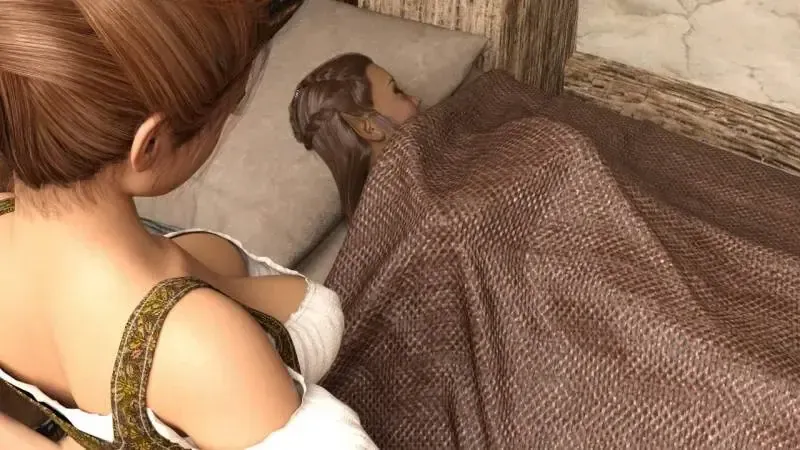
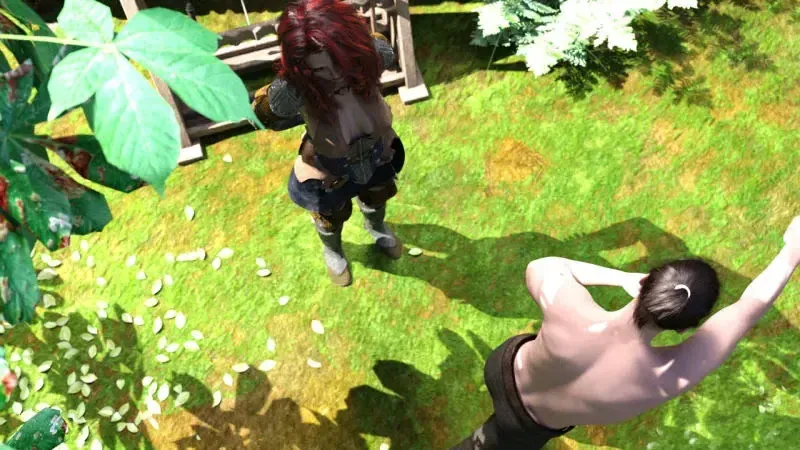
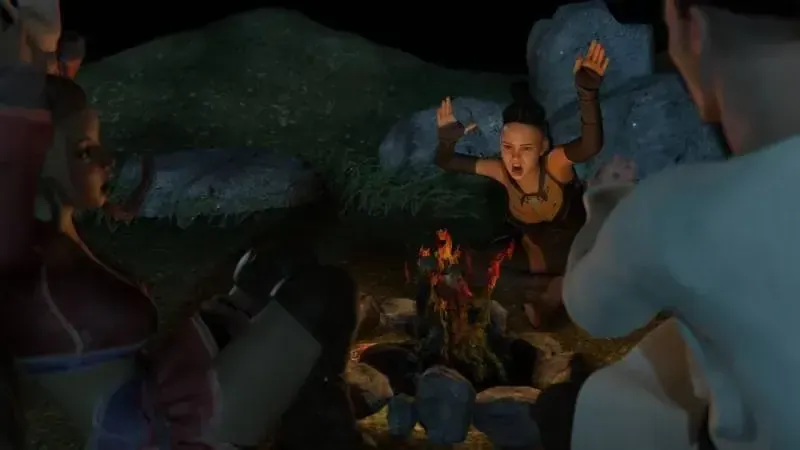

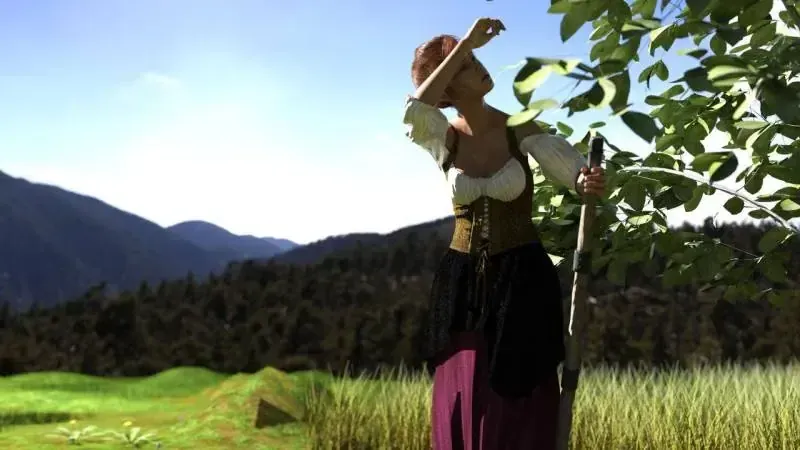
Runaway Princess review
Master the farmer RPG adventure with our in-depth walkthrough and strategy tips
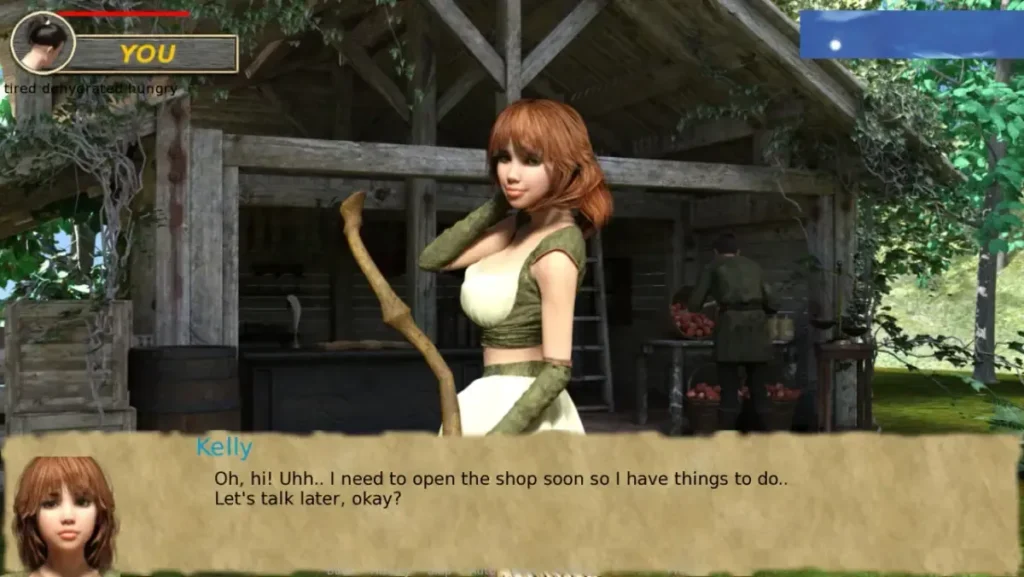
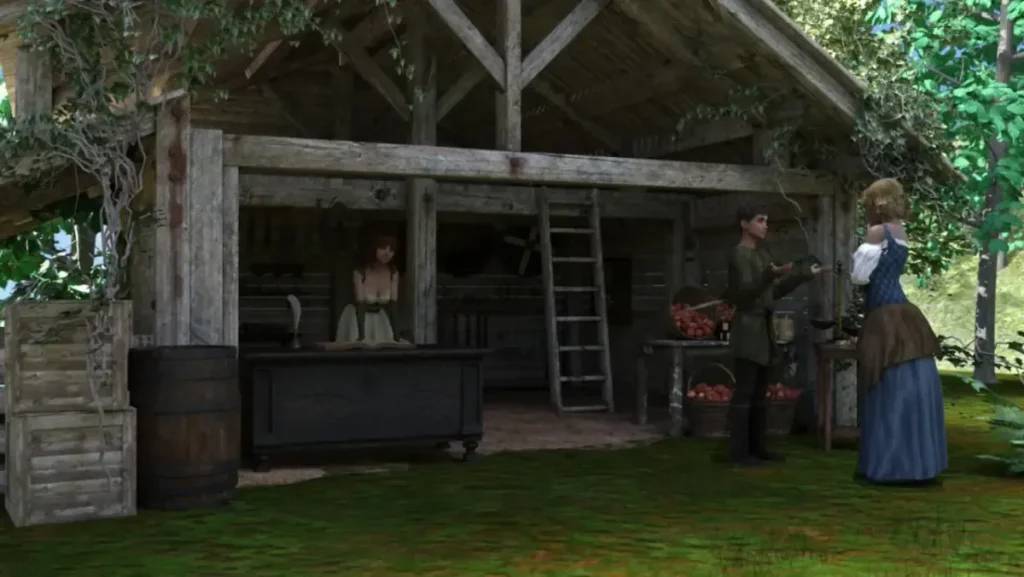
Runaway Princess stands out as a unique 3DCG fantasy experience that seamlessly blends life simulation with RPG adventure mechanics. Players take on the role of a farmer whose peaceful existence takes an unexpected turn when a mysterious event disrupts their quiet village life. This immersive visual novel combines farm management, character relationship building, and exploration of enchanted dungeons into one cohesive experience. Whether you’re new to the game or looking to optimize your playthrough, understanding the core mechanics and daily routines is essential for success. The game rewards patience and strategic planning, making every decision feel meaningful as you navigate relationships, manage resources, and uncover the deeper narrative that unfolds throughout your journey.
Understanding Runaway Princess: Core Gameplay Mechanics
Ever felt that itch for adventure, the call of a grand quest, but also a deep, calming craving to just tend to your garden and watch things grow? ✨ That’s the beautiful contradiction at the heart of Runaway Princess, a game that masterfully stitches together the cozy threads of a farm management RPG with the exciting fabric of a fantasy epic. You’re not just a farmer, and you’re not just a hero—you’re a person trying to build a life, and that life happens to involve magical seeds, mysterious ruins, and a castle you might have left behind in a hurry.
This guide is your map through this delightful hybrid. We’re going to break down the core Runaway Princess gameplay mechanics, so you can stop feeling overwhelmed and start thriving. Whether you’re figuring out why the blacksmith is never home or how to make the librarian blush, understanding these systems is your first step toward mastering this rich, sandbox exploration fantasy.
### What Makes Runaway Princess Unique in the RPG Genre
Forget choosing between slaying dragons or planting potatoes. 🐉🥔 Runaway Princess refuses to make you pick. Its genius lies in the seamless blend of two beloved genres. On one hand, you have the meticulous, rewarding progression of a life simulation game mechanics powerhouse. Each day, you’ll water crops, care for animals, and craft goods, feeling that tangible sense of growth as your plot of land transforms from a weed-choked patch to a bustling homestead. This farm isn’t just a mini-game; it’s the narrative and economic anchor of your entire journey.
On the other hand, you have a genuine RPG adventure waiting beyond your fence. The fantasy world is ripe for exploration, filled with dungeons to delve, puzzles to solve, and a storyline that gently unfolds as you prove your mettle. The magic here is in the interconnection. That rare mushroom you need for a potion to brave the fiery caverns? You might learn to cultivate it in your greenhouse. The ore for upgrading your sword? Selling your prize-winning pumpkins could fund the trip to the mines.
This creates a gameplay loop that’s uniquely self-directed. Maybe today you focus entirely on mastering the farm management RPG aspects, fishing and cooking to build up your funds. Tomorrow, you might pack a lunch and spend the whole day in the Whispering Woods, uncovering secrets. Runaway Princess trusts you to set the pace, making your story feel genuinely your own.
### Daily Life Simulation and Time Management Systems
Here’s where the rubber meets the road—or perhaps, where the hoe meets the soil. ⏰🌻 A day in Runaway Princess is a precious resource, divided into blocks like Morning, Noon, and Evening. Every action, from chopping a tree to chatting with a neighbor, consumes time. This isn’t meant to stress you out, but to encourage intentionality. You can’t do everything in one day, and that’s okay. The game is designed for the long haul.
The master key to unlocking a smooth daily routine is understanding the daily schedule NPC characters follow. Every villager has their own life, job, and habits. The grumpy apothecary might forage in the forest in the morning, run her shop in the afternoon, and be home (and unwilling to answer the door) by evening. Showing up when they’re available is the first step to building any relationship.
I learned this the hard way! In my first playthrough, I wasted three days in a row trying to find the carpenter after noon, only to later discover he spends his afternoons at the tavern, deep in a game of cards. Knowing schedules transforms your efficiency. The game has a gentle 2-3 day learning curve where your initial goal is simply to observe and note these patterns.
To give you a head start, here’s a snapshot of how a few key villagers might structure their typical day. Use this as a foundation, but remember: special events, weather, and story progression can alter routines!
| Character | Morning (6:00 – 11:00) | Noon (11:00 – 16:00) | Evening (16:00 – 21:00) |
|---|---|---|---|
| Elara (Librarian) | At the library, organizing shelves. | Still at the library, often reading at her desk. | Walking near the eastern river or at home. |
| Borin (Blacksmith) | Open for business at the forge. | On break, usually at the town square fountain. | Back at the forge for a few hours; closes early. |
| Marisol (Innkeeper) | Preparing the inn’s kitchen and common area. | Running the inn’s bar and serving lunch. | Very busy at the inn; best time for a quick chat. |
| Kael (Hunter) | In the northern woods, tracking game. | Returns to his cabin on the outskirts. | Visits the tavern or is out stargazing. |
Your own schedule becomes a dance with these routines. A perfect day might look like: Morning crops and livestock, Noon for mining or fishing while dropping by the shops, and Evening for gifting and socializing when folks are home. This elegant daily schedule NPC system makes the world feel alive and is central to the Runaway Princess gameplay mechanics.
### Character Relationships and Romance Mechanics
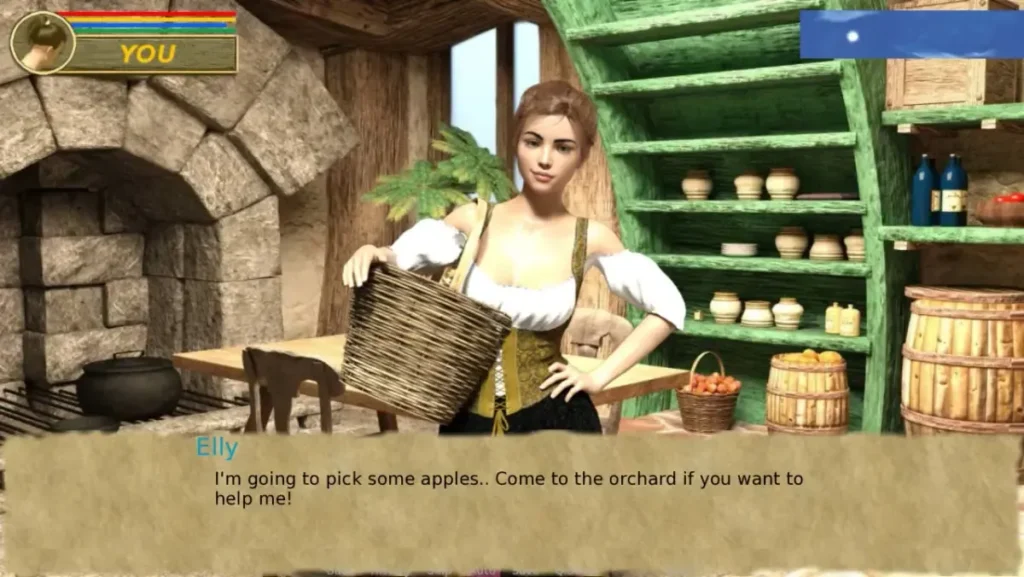
The heart of any great life sim isn’t just what you grow, but who you grow close to. 💖 Runaway Princess features a deep and rewarding character relationship system that goes far beyond simple friendship meters. Every villager has a unique personality, backstory, and likes/dislikes that you’ll discover through conversation, quests, and—of course—gifts.
Building friendship opens up new dialogue, reveals personal stories, and often grants you helpful recipes or items. But for many players, the real goal is romance. So, let’s talk about how to build romance in Runaway Princess. It’s a process that requires attention, consistency, and a little bit of strategy.
First, listen and observe. Characters will drop hints about their favorite things. Elara the librarian might mention her love for rare inks and quiet teas, while Borin the blacksmith could talk about his need for strong, durable snacks for long days at the forge. Giving a loved gift (especially on their birthday!) gives a massive boost. A disliked or hated gift, however, can actually set you back. When in doubt, most characters appreciate foraged flowers or home-cooked meals.
Second, be present. Engage in their mini-story arcs. Most romanceable characters have multi-part side quests that delve into their personal struggles or dreams. Completing these is non-negotiable for deepening your bond. It shows you care about their world, not just your farm.
Finally, master the timing. Once you’ve reached a high enough friendship level, you’ll be able to give a special “Confession” item. Don’t just hand it over anytime! Choose a meaningful moment—perhaps during a festival, after helping them with a big problem, or at a scenic spot they love. The game’s life simulation game mechanics ensure that these relationships feel earned, not bought.
The beauty of this character relationship system is that it mirrors real connections. It’s about quality time, remembered details, and shared experiences. It turns the town from a backdrop into a community you’re actively part of, which makes defending it in the RPG portions of the game feel all the more personal and urgent.
- Observe for 2-3 Days: Don’t try to do everything at once. Use your first few in-game days as a reconnaissance mission. Follow villagers, note their paths, and peek into shops to learn operating hours.
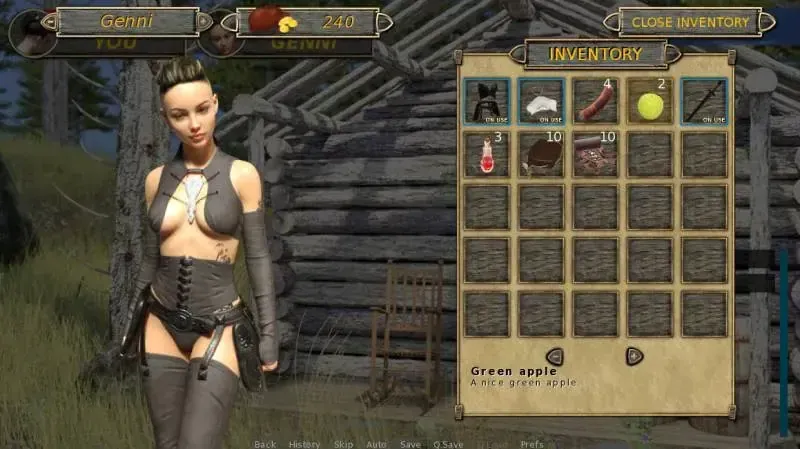
- Prioritize Tool Upgrades & Backpack Expansion: Your energy and time are limited early on. Investing in better tools from the blacksmith lets you do more with less energy. A bigger backpack means fewer trips home during mining or foraging runs.
- Plant What You Need, Not Everything: It’s tempting to plant every seed you find. Focus on a few high-value or quest-necessary crops at first. Stamina-restoring foods like simple grilled fish or berries are more valuable early on than a giant field of wheat.
- Talk & Gift Daily: Even a simple “hello” maintains friendship. Carry a few universally liked foraged items (like daisies or wild berries) with you. If you pass someone, give them one. Small, consistent interactions build bonds faster than occasional grand gestures.
- Check the Bulletin Board Daily: This is your source for villager requests. Fulfilling these gives gold, friendship points, and sometimes rare items. It’s the best way to efficiently combine profit with relationship building.
- Don’t Neglect the Adventure: Your farm funds your adventures, and your adventures unlock resources for your farm. When you feel stuck, try spending a day exploring. You might find a new crafting recipe, mining node, or story trigger that opens up a whole new avenue.
Mastering Runaway Princess is about finding your own rhythm in the harmony of these systems. The farm management RPG elements ground you, the sandbox exploration fantasy entices you, and the rich character relationship system connects you. Now that you understand these core Runaway Princess gameplay mechanics, you’re ready to step off the beaten path and write your own unique story. Your farm, your friendships, and your legend await
Runaway Princess delivers a compelling experience that goes beyond traditional RPG conventions by grounding its fantasy adventure in the tangible reality of farm life and meaningful character connections. The game’s strength lies in how it rewards players who take time to understand the world’s rhythms—learning NPC schedules, managing resources wisely, and making strategic choices about where to invest their time. Whether you’re drawn to the romantic elements, the combat and exploration aspects, or the satisfaction of building a thriving farm, the game offers something for different playstyles. The narrative unfolds naturally as you progress, revealing deeper mysteries and character arcs that make your journey feel personal and earned. By mastering the core mechanics and approaching the game with patience and intentionality, you’ll unlock the full potential of what makes Runaway Princess a memorable adventure that transforms an ordinary farmer’s life into something extraordinary.