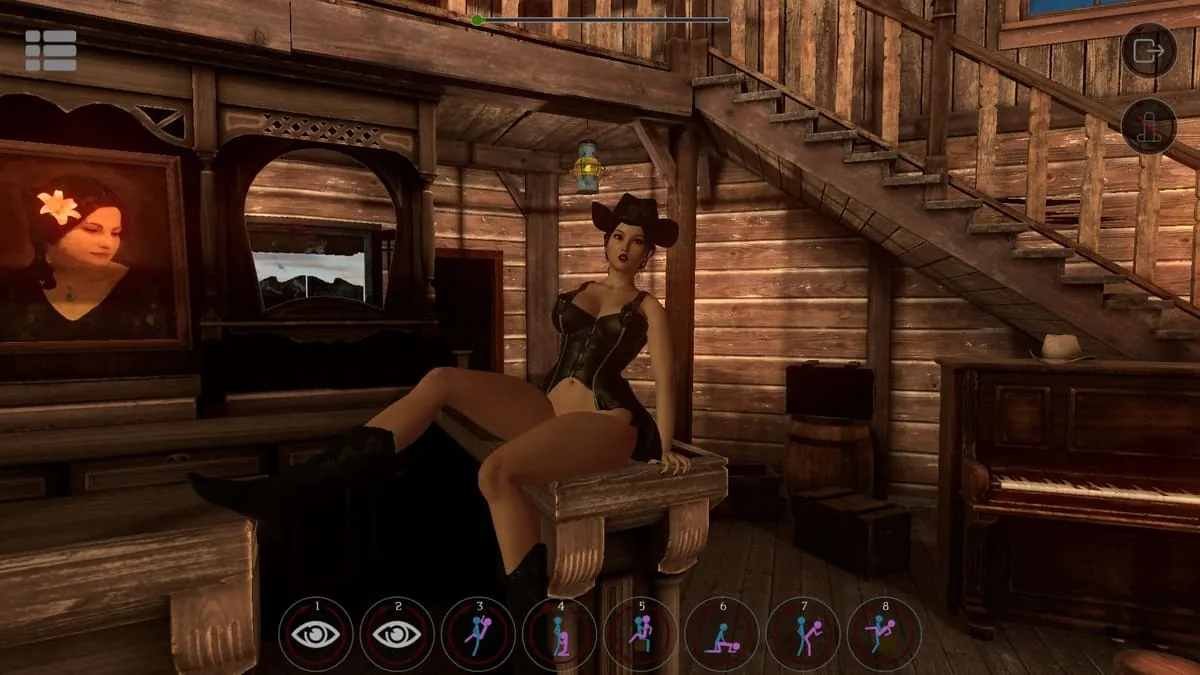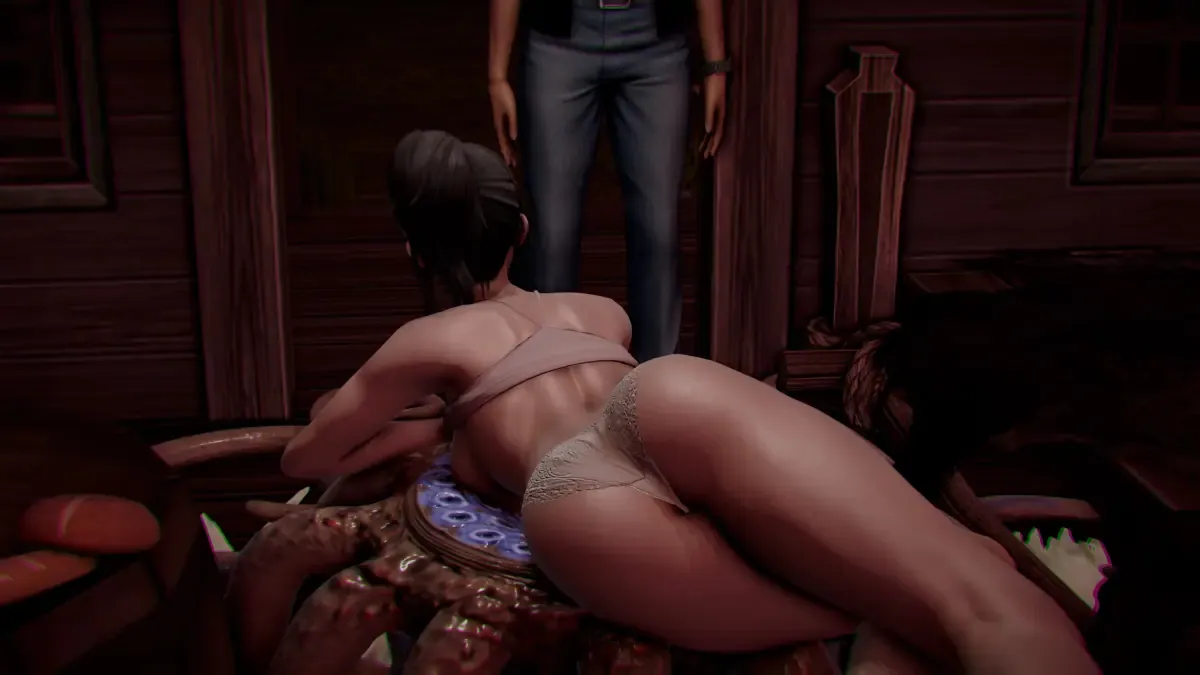
Sorcerer
Play Sorcerer
Sorcerer Screenshots
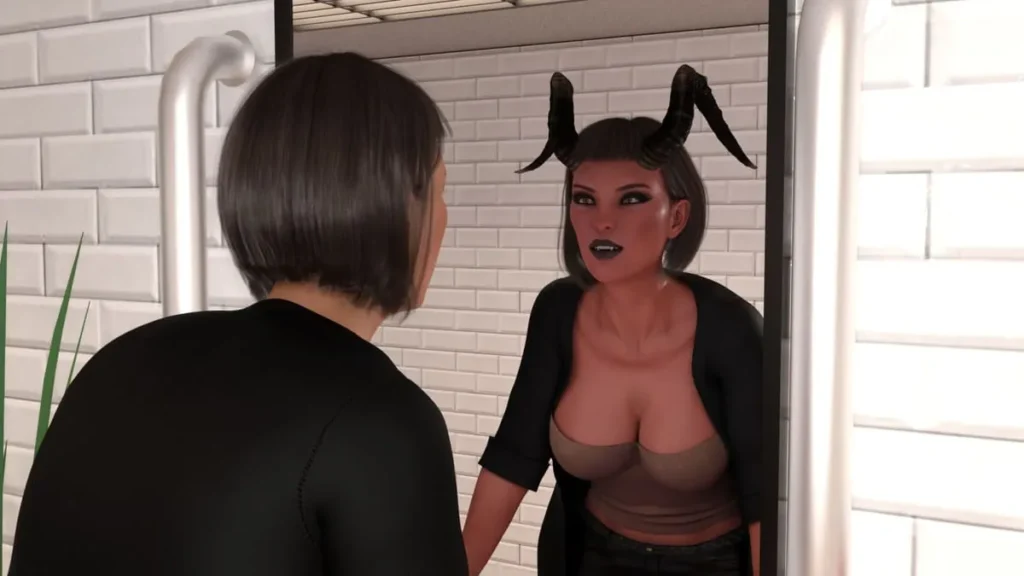
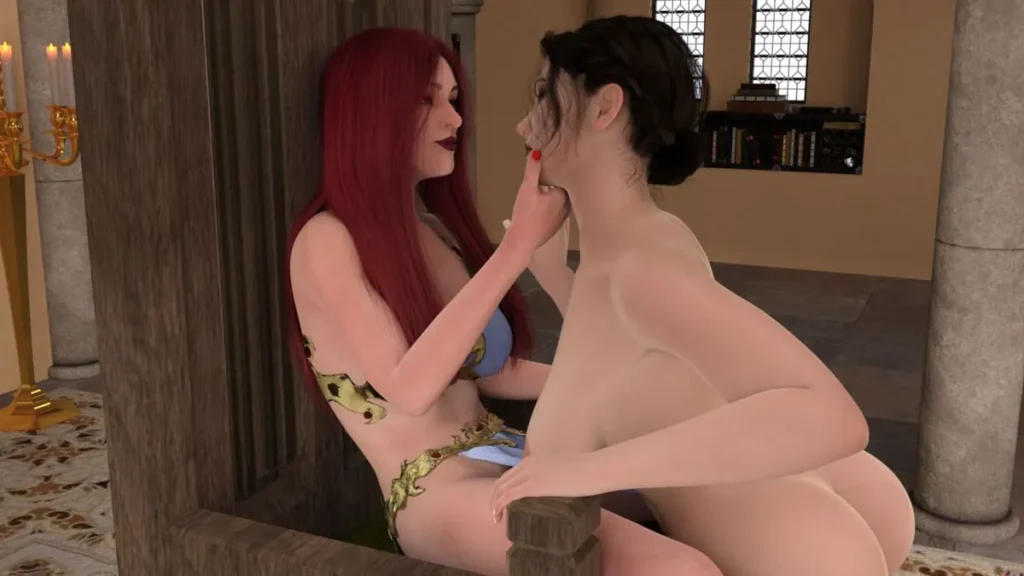
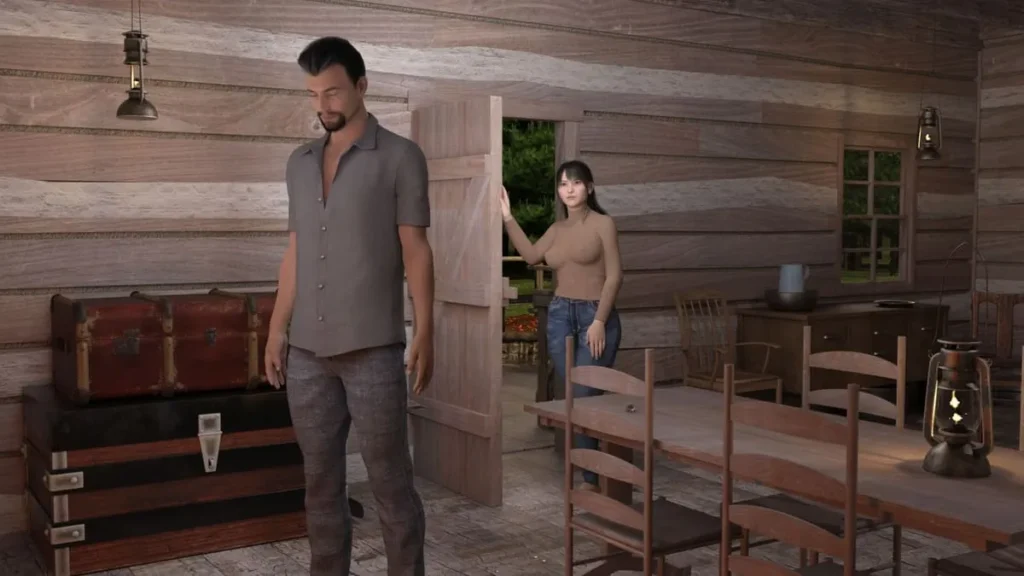

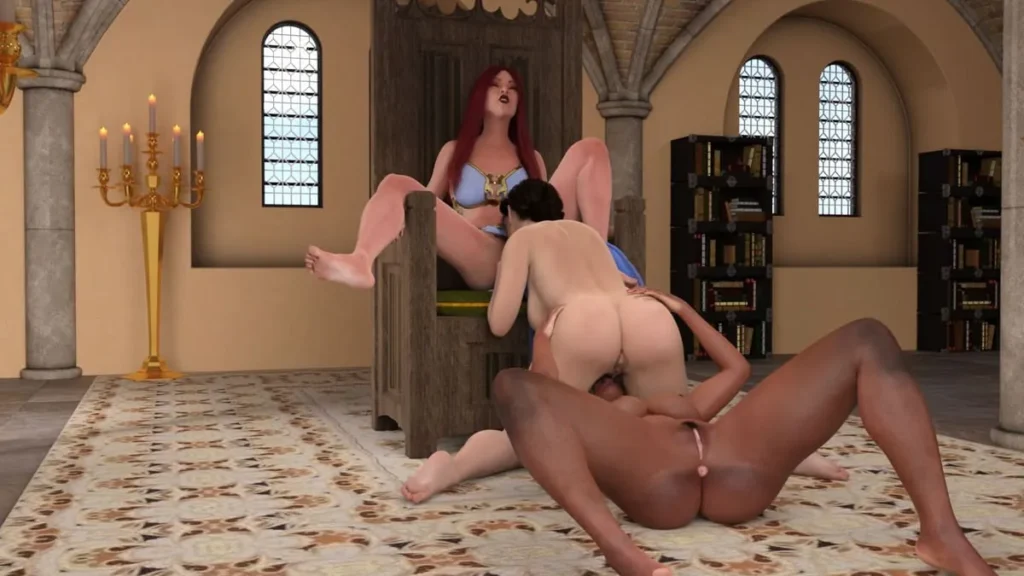
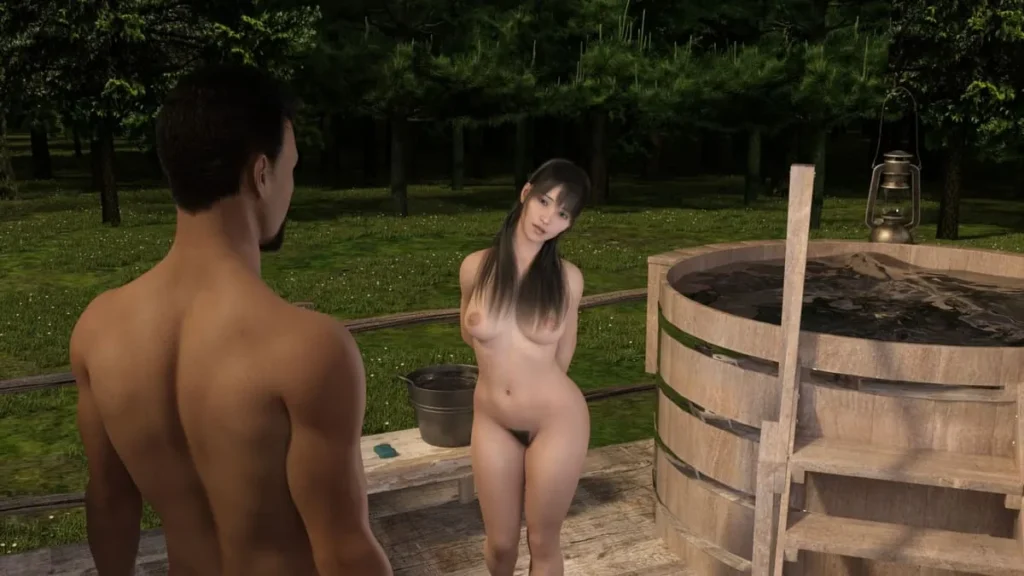

Sorcerer review
Story, mechanics, choices, and tips for getting the most out of Sorcerer
Sorcerer is a narrative-driven game that blends magic, dark fantasy, and relationship-focused storytelling into a highly atmospheric experience. If you have seen scattered discussions online but still feel unsure what the Sorcerer game really offers, this guide is for you. I’ll walk you through the story setup, the tone of the routes, the systems behind your choices, and the kind of experience you can realistically expect. Along the way, I’ll share personal impressions, small case studies from different playthroughs, and practical tips so you can decide whether Sorcerer fits your tastes—and how to enjoy it to the fullest if you dive in.
What Is Sorcerer and Who Is It For?
So, you’ve heard the name, seen some evocative artwork, and you’re wondering: what exactly is Sorcerer, and more importantly, is it the right game for me? 🤔 I was in the same boat. I booted it up expecting maybe a fun, magic-powered adventure with some romantic side-quests. What I got, within the first hour, was something far more intense, gripping, and adult. Let’s pull back the curtain on this compelling Sorcerer visual novel and see what it’s really all about.
Core premise and fantasy setting of Sorcerer
At its heart, Sorcerer is a narrative experience that puts you in the robes of a uniquely gifted spellcaster. You’re not just a mage in a tower; you’re a pivotal figure caught in a web of warring factions, ancient secrets, and dangerously intense personal relationships. The fantasy setting is a dark, politically charged world where magic is a source of both incredible power and immense burden. Think less about casting fireballs at goblins and more about using your influence to navigate royal courts, secret societies, and the volatile emotions of those drawn to your power.
The core premise is built on this tension. Your character’s gift makes you a target and a prize. Every faction wants to use you, control you, or possess you. The game brilliantly frames your magical ability not just as a tool for solving puzzles, but as the central catalyst for every relationship and conflict in the story. Your choices determine who you align with, who you betray, and who you let get close—often with life-or-death consequences. This isn’t a world of clear-cut heroes and villains; it’s a landscape of morally gray characters, each with compelling, sometimes selfish, reasons for their actions.
From my first session, the game establishes this tone masterfully. I remember the opening scenes: beautiful, slightly haunting artwork, a soundtrack that hummed with tension, and dialogue options that immediately felt weighty. Choosing whether to show deference or defiance to a powerful noble in the first ten minutes wasn’t just about picking a polite response—it felt like setting the trajectory for an entire political alliance. That’s when I knew Sorcerer was playing a different game.
Who will enjoy Sorcerer (and who probably won’t)
This is the million-dollar question: is Sorcerer worth playing for you? The answer is a resounding yes for some, and a firm no for others. It’s a specialized experience, and that’s its strength. Let’s break it down.
Sorcerer is absolutely for you if you:
* Love character-driven stories. If you play games for deep lore, complex character motivations, and dialogue that reveals hidden depths, you’re in the right place.
* Enjoy making tough, narrative-altering choices. Your decisions here feel meaningful, locking and unlocking entire paths and endings based on loyalty, desire, and moral compromises.
* Appreciate romance that’s woven into the main plot. The romantic relationships in this adult fantasy game are not casual flings; they are intense, emotionally charged, and directly tied to the core magical and political conflicts.
* Seek high replay value from narrative branching. The fun comes from playing again to see how different choices reshape relationships and lead to wildly different conclusions.
* Are comfortable with mature, explicit content presented as a natural part of the story’s emotional and relational arcs.
Sorcerer might not be for you if you:
* Are looking for action-heavy gameplay or tactical combat. This is a visual novel. You will be reading and choosing more than you will be “fighting” in a traditional sense.
* Prefer lighthearted, humorous fantasy. The tone is dramatic, tense, and often psychologically intense. It’s a thrilling experience, but not a light one.
* Want a game focused on open-world exploration or stat-building. Progression is tied to story milestones and relationship flags, not leveling up a character sheet.
* Are uncomfortable with graphic romantic content or narratives involving manipulation, power imbalances, and morally ambiguous decisions.
To make it crystal clear, here’s a quick matchup:
| You’ll Love Sorcerer If… | You Might Want to Skip Sorcerer If… |
|---|---|
| You prioritize story and character over mechanics | You need fast-paced action or combat systems |
| You enjoy dissecting complex character motivations | You prefer straightforward, heroic fantasy tales |
| You like seeing your choices dramatically alter an ending | You dislike reading large amounts of text |
| You appreciate romance that feels integral to the plot | You are seeking a casual or comedic gaming experience |
Ultimately, asking “who is Sorcerer for?” is key. It’s for the player who views a game as an interactive novel, where the primary joy comes from emotional engagement and narrative discovery, not from reflex tests or loot collection.
Content tone and player expectations
Setting the right expectation is crucial for enjoying Sorcerer game content. The tone is best described as dark fantasy romance. It’s a world where magic has a cost, power corrupts, and love can be as dangerous as any curse. The interpersonal tension is palpable—every conversation can feel like a subtle game of manipulation or a genuine moment of vulnerability, and it’s often hard to tell which is which.
As an adult fantasy game, Sorcerer doesn’t shy away from explicit romantic scenes. However, in my experience, it balances these elements well. The scenes are presented through the game’s visual novel storytelling style and feel like earned culminations of relationship arcs, rather than gratuitous detours. They serve the character development and the intense emotional stakes the game establishes. If you’re here purely for that content, you might find the buildup slower than you’d like. If you’re wary of it, know that it’s a significant part of the Sorcerer experience for certain character routes.
The gameplay structure is linear in the sense that you follow a set story, but it’s massively branching based on your choices. You’ll read narrative segments, be presented with key decision points, and watch the story unfold based on your selections. Replayability is the name of the game. A single playthrough will show you one path, but to see the full scope of the story—the different allies, lovers, and endings—you’ll need to revisit key chapters and make different choices. There’s no “grinding” here; your only resource is your attention and your empathy for the characters.
From this Sorcerer game review perspective, I think the game succeeds brilliantly for its target audience. It knows what it is: a serious, character-driven narrative for adults. It’s not trying to be everything to everyone. My first hour showed me a game confident in its voice—a voice that’s dramatic, seductive, and unafraid to explore the darker sides of desire and power. If that sounds intriguing, then you’re likely who this game was made for.
“By the end of the first hour, I wasn’t just making choices for a character—I was holding my breath, worrying about the consequences of my words, and completely invested in a magical world that felt dangerously real. That’s Sorcerer’s magic trick.”
Sorcerer is not a casual background game; it is an intense, story-first experience that asks you to sit with uncomfortable choices, powerful attraction, and the fallout of your decisions. If you enjoy dark fantasy, layered character writing, and routes that feel genuinely different based on how you respond to key moments, Sorcerer can be deeply rewarding. Take your time with each path, pay attention to the smaller dialogue cues, and don’t be afraid to restart when a branch takes you somewhere you didn’t expect. Ultimately, the value of Sorcerer comes from how personally you engage with its world and relationships, so approach it with curiosity, clear boundaries, and a willingness to explore multiple outcomes.