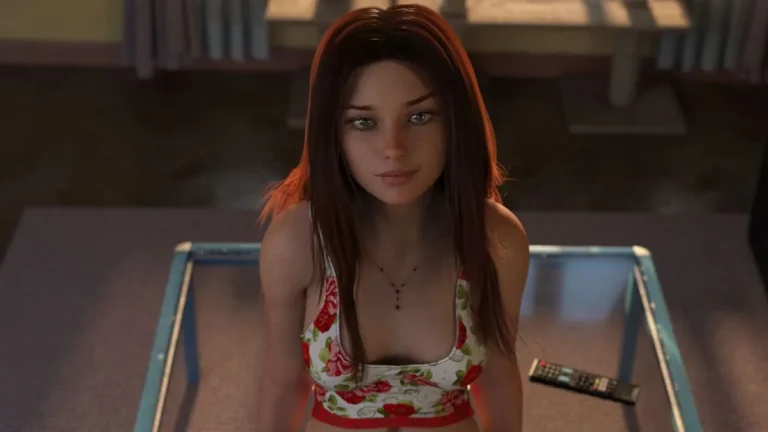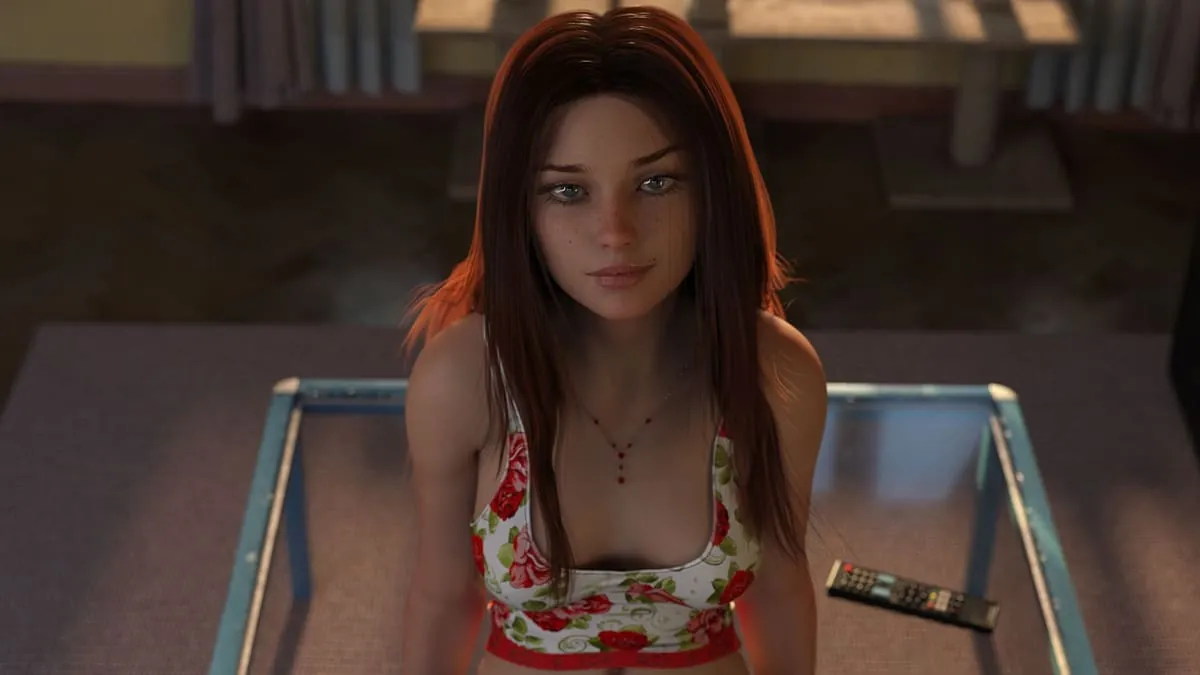
Summer’s Gone
Play Summer’s Gone
Summer’s Gone Screenshots




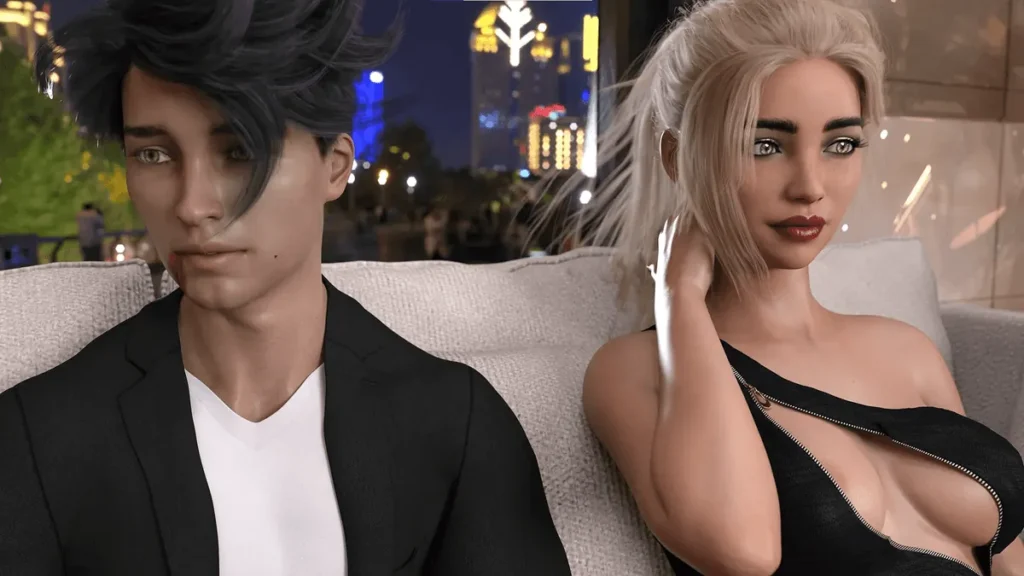
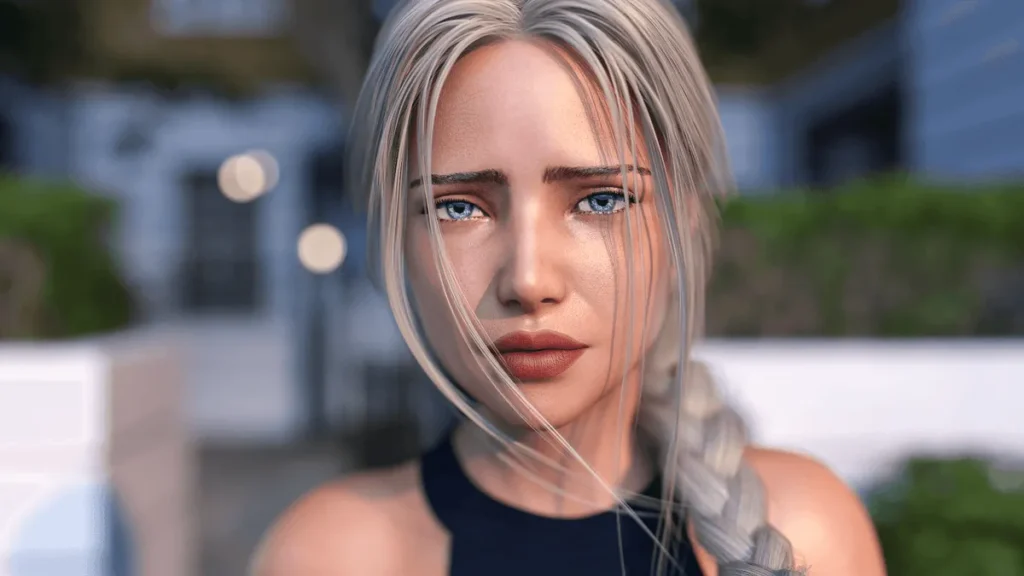
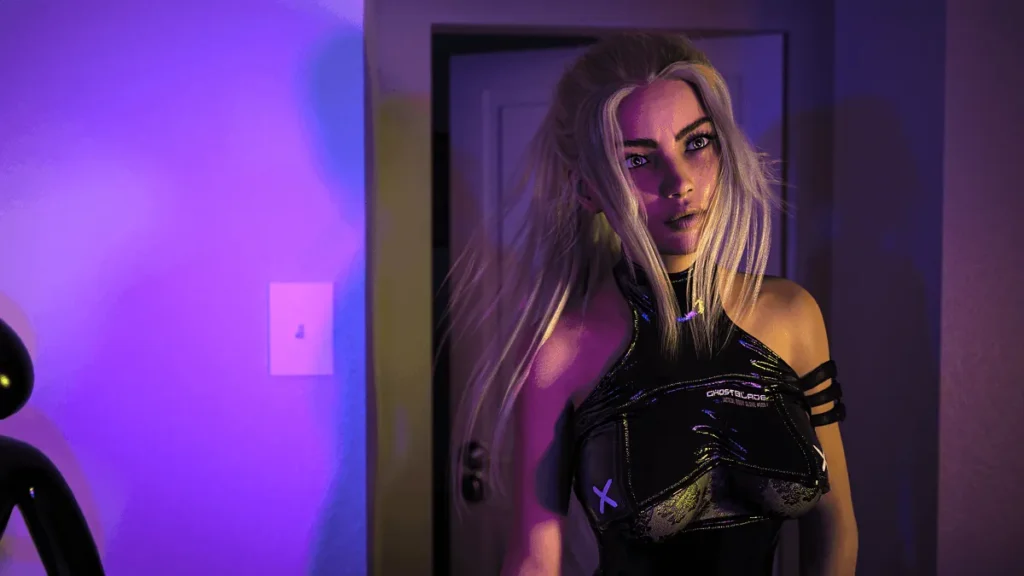
Summer’s Gone review
Explore Healing, Romance, and Mystery in This Captivating Game
Imagine losing the one person who meant everything, plunging into isolation and depression, only to step into college life where mysteries and deep connections await. That’s the gripping hook of Summer’s Gone, the interactive visual novel that’s captivating players with its focus on healing, hope, and romance. As Nika Cyrus, you’ll navigate trauma, build relationships with a diverse cast of characters, and uncover sci-fi tinged secrets in a slice-of-life setting. I first stumbled upon it during a late-night scroll and was hooked by its slow-burn storytelling—no rushed scenes, just raw emotion and character growth that feels real. Whether you’re a visual novel fan or new to the genre, this guide dives into why Summer’s Gone stands out, sharing tips from my playthroughs to enhance your experience.
What Makes Summer’s Gone a Must-Play Visual Novel?
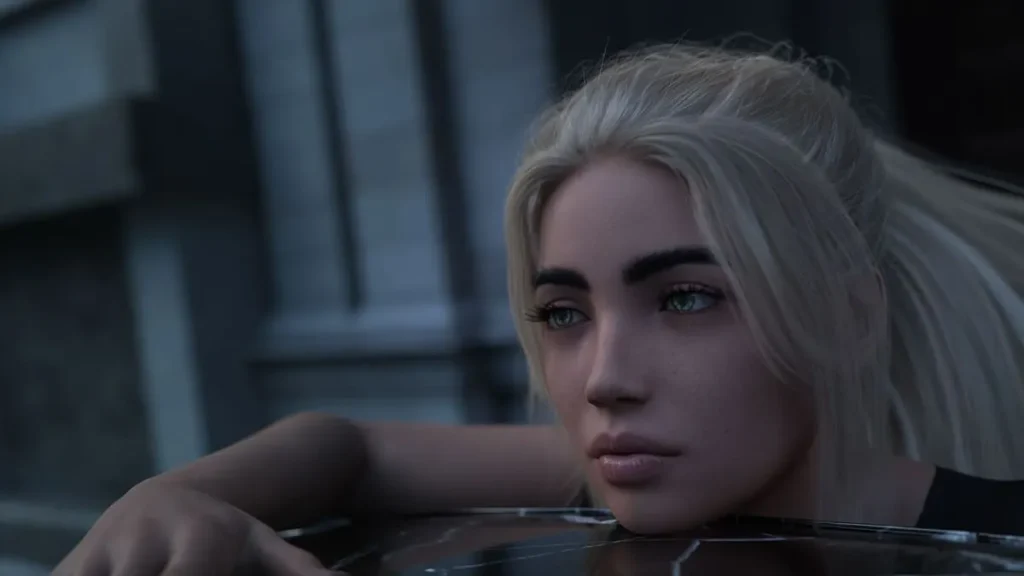
I still remember my first time booting up Summer’s Gone. I was expecting a chill, maybe slightly melancholic visual novel to pass the time. I was not prepared for the opening. 😳 We meet Nika Cyrus, our protagonist, sitting alone on a pier, hollowed out by a loss so profound it’s etched into his every vacant expression. The game doesn’t just tell you he’s broken; you feel it in the heavy silence and the stunning, somber visuals. It hit me with a surprising weight because, let’s be honest, haven’t we all had a moment where we felt utterly adrift? That raw, opening scene is your first clue that this isn’t your typical dating sim. This is a deep, character-driven journey that asks a compelling question: What is Summer’s Gone about? At its heart, it’s about the long, non-linear path back to yourself after life breaks you.
So, let’s dive into what makes this Summer’s Gone visual novel such a standout experience.
Unpacking the Core Story and Themes of Loss and Recovery
The Summer’s Gone story begins with Nika, a young man grappling with severe depression and isolation years after a traumatic childhood event involving his first love, Summer. He’s a ghost of a person, moving through life in a state of passive despair. His guardian, recognizing he needs a drastic change, pushes him to enroll at ZPR University. This isn’t just a fresh start for college hijinks; it’s a forced reintegration into a world he’s emotionally withdrawn from.
The core Summer’s Gone themes are healing, hope, and the quiet courage of connection. The game treats mental health with remarkable sensitivity. Nika’s depression isn’t a quirky character trait that a love interest “fixes.” It’s a pervasive reality. You’ll see it in his social anxiety, his moments of shame, his struggle to find motivation, and the way he often observes life from a painful distance. The narrative explores not just his pain, but also themes of disability and insecurity through its rich cast of characters, making the world of ZPR feel authentically layered.
But here’s where it gets fascinating: woven into this realistic drama are subtle Summer’s Gone sci-fi elements. These primarily surface through the “Tabletop Club,” a group Nika joins. Their game sessions aren’t just a hobby; they’re a narrative device where futuristic concepts, corporate espionage, and speculative technology become metaphors for the characters’ real-world struggles and secrets. It’s a brilliant way to introduce mystery and a larger, looming plot without undermining the grounded personal drama. The sci-fi isn’t about lasers and spaceships; it’s an intellectual mystery that parallels the emotional one.
My Tip for Playing: Don’t rush. To truly appreciate the emotional depth of Summer’s Gone, play it like you’re savoring a rich novel. Let the quiet moments breathe. Pay attention to the character animations and the soundtrack—they’re masterclasses in conveying unspoken feeling. 🎧
Why the Slow-Burn Romance Keeps You Coming Back
If you’re here for the Summer’s Gone romance, prepare for a masterclass in buildup. This isn’t a game where you pick a girl and get instant gratification. The relationship building is slow, fragile, and incredibly rewarding. Each connection feels earned because it’s built on shared vulnerability, not just attraction.
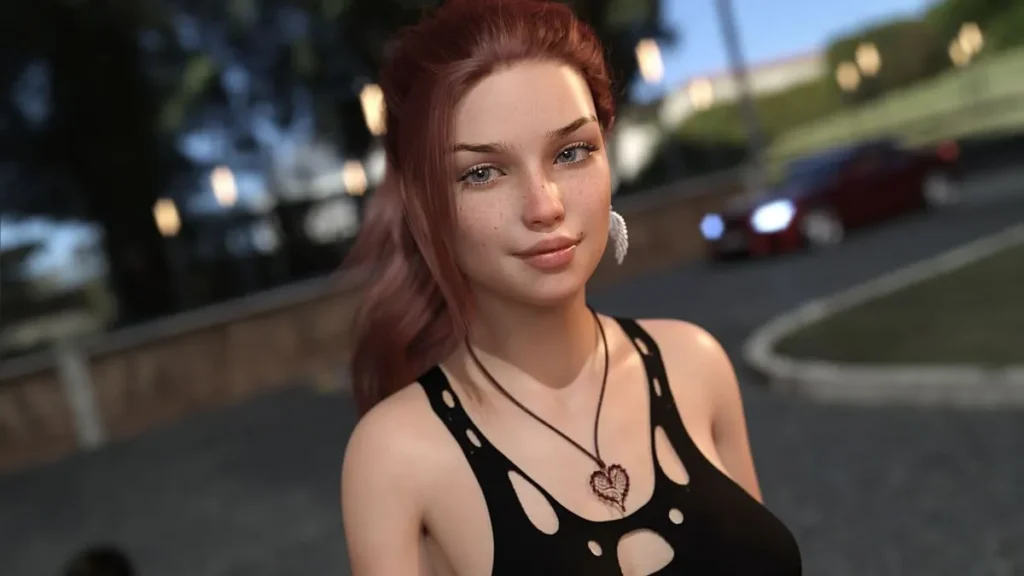
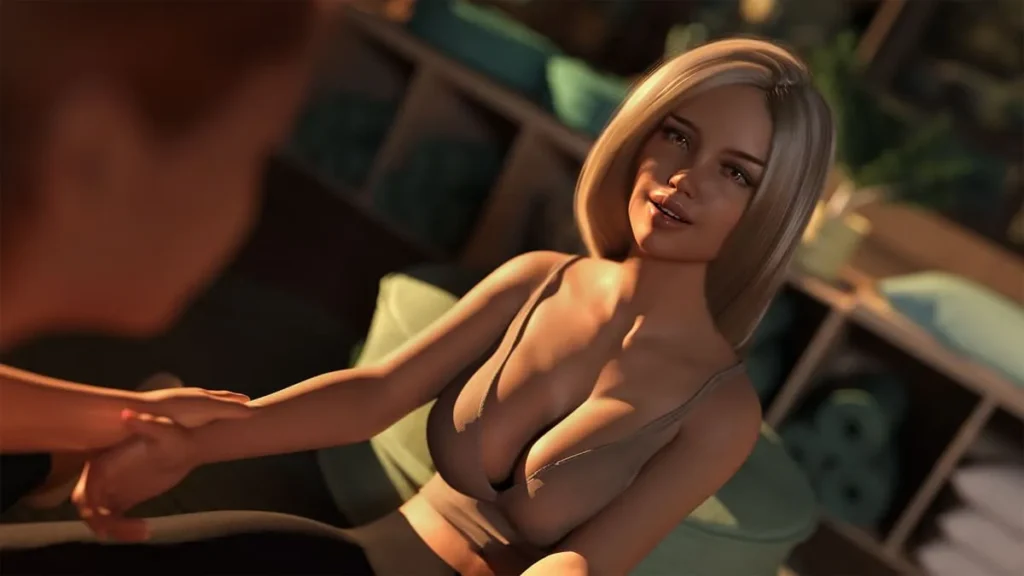
The love interests are fantastically diverse, each carrying their own baggage and brilliance. Getting to know them is peeling back layers, and their interactions with Nika feel unique. Some relationships are spiky and challenging, others are gentle and comforting, but all feel real. The Summer’s Gone visual novel excels at making you care about these people as individuals first, potential partners second.
A huge point of discussion—and a strength, in my opinion—is the complete lack of explicit content in Season 1. Some might see this as a downside, but I believe it’s a narrative superpower. 🛡️ By focusing entirely on emotional and intellectual intimacy, the game builds an almost unbearable level of tension and anticipation. Every touch, every meaningful glance, every vulnerable conversation carries more weight. When relationships do eventually deepen in future seasons, it will feel like a monumental payoff, a natural culmination of a journey you’ve been fully invested in, rather than a rushed checkbox.
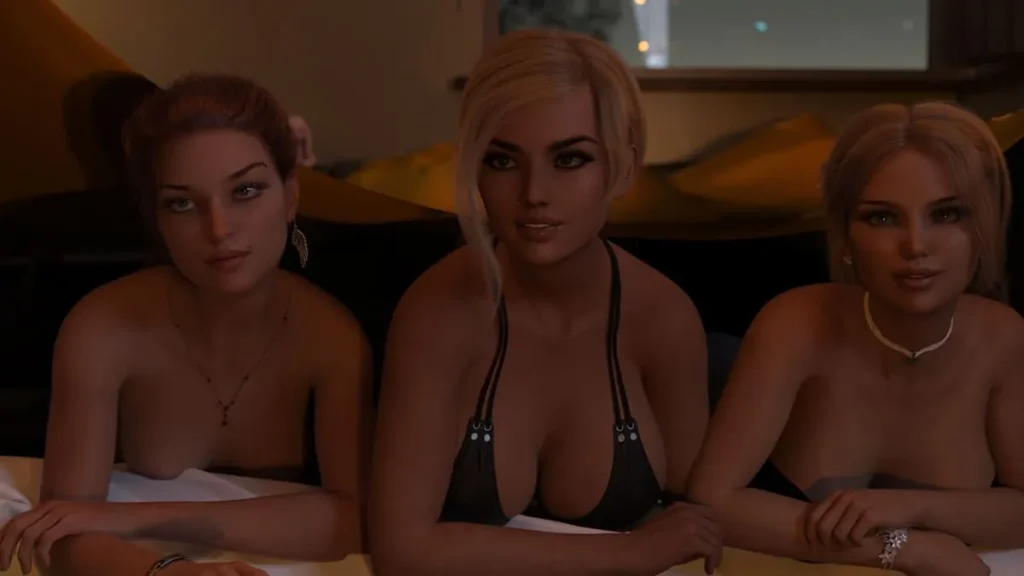
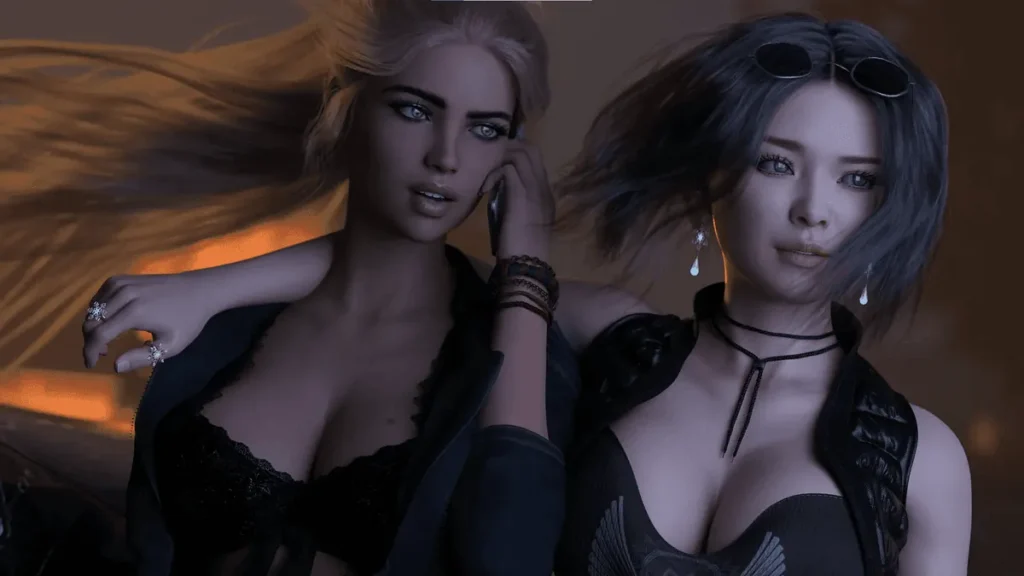
To give you a sense of the incredible cast you’ll be getting to know, here’s a look at some of the central figures in Nika’s life at ZPR:
| Name | Personality | Backstory Tease | Relationship Potential |
|---|---|---|---|
| Bella | Confident, competitive, sharp-tongued but layered. | A top athlete with a fiercely guarded private life and family complexities. | A challenging, fiery dynamic built on rivalry and reluctant understanding. |
| Mila | Sweet, artistic, empathetic, and observant. | Struggles with a physical disability, which shapes her compassionate worldview. | A gentle, healing connection based on deep emotional support and quiet moments. |
| Victoria | Intelligent, reserved, academically driven, and initially aloof. | Hails from a shadowy, powerful family, carrying great expectation and secrecy. | A slow-thawing romance of minds, built on intellectual respect and shared solitude. |
| Nami | Energetic, playful, loyal, and a bit of a chaotic force. | Nika’s childhood friend (almost like a sister), with a complicated family tie to him. | A deeply familiar, comforting bond that navigates the tricky shift from friendship to more. |
| Sasha | Driven, ambitious, savvy, and socially adept. | Member of the Tabletop Club, deeply entwined in its emerging sci-fi mysteries. | A partnership of equals, potentially mixing personal attraction with high-stakes intrigue. |
How Mental Health and Sci-Fi Elements Blend Seamlessly
This is where Summer’s Gone truly becomes something special. The handling of mental health in Summer’s Gone and the integration of its sci-fi elements aren’t separate tracks; they’re two sides of the same coin. 🪙
Nika’s journey of recovery is the anchor. His depression, his shame, his slow steps toward engagement—this is the core human experience. The sci-fi layer, primarily explored through the Tabletop Club’s game and its connected mysteries, acts as both a distraction and a reflection. For Nika, immersing himself in a fictional world of corporate warfare and future tech is a safe way to practice engagement, strategy, and connection. The puzzles and lore of the game-within-a-game give his analytical mind a focus outside of his own pain.
Furthermore, these Summer’s Gone sci-fi elements often mirror the internal landscapes of the characters. Themes of control, identity, hidden pasts, and building something new from ruin are explored both in the tabletop narratives and in the characters’ real lives. It suggests that the process of healing and the process of unraveling a great mystery aren’t so different—both require patience, piecing together fragments of truth, and trusting others to help you see the full picture.
The Summer’s Gone themes of hope and healing are therefore reinforced by this dual narrative. As Nika and his friends decode fictional conspiracies, they’re also decoding their own emotions and building the trust necessary to heal. It’s a brilliant, cohesive design that makes every part of the story feel meaningful.
So, is Summer’s Gone a must-play? If you want a visual novel that respects your intelligence, treats its characters with depth and care, and isn’t afraid to sit with difficult emotions while weaving an intriguing, larger plot, then the answer is a resounding yes. 🏆 It’s a beautiful, slow-burn experience that stays with you long after you close the game. It proves that the most compelling stories aren’t about the destination, but about the fragile, beautiful process of getting there.
Ready to step onto the pier and begin Nika’s journey? The world of ZPR University, with its compelling mix of heartfelt drama and mind-bending mystery, awaits your choices.
FAQs About Summer’s Gone
-
Does Summer’s Gone have adult scenes in Season 1?
No, Season 1 contains no explicit content. The focus is entirely on building deep emotional connections, character development, and story. -
How long is Summer’s Gone Season 1?
A full playthrough of Season 1 (Chapter 1 through 4.5) can take anywhere from 15 to 25+ hours, depending on your reading speed and how much you explore the render galleries and music player. -
Is Summer’s Gone a harem game?
Not in the typical sense. While you can develop relationships with multiple characters, the narrative treats these connections seriously, and choices will matter, likely leading to dedicated paths in future seasons. -
What platforms can I play Summer’s Gone on?
It is primarily available for PC (Windows, Linux, Mac). You can find it on platforms like Patreon (from the developer, Oceanlab) and Steam (for the non-adult version). -
Why is the game’s development cycle often discussed?
The developer is known for extremely high-quality renders and animations, which are stunning but time-consuming to produce. Patience is recommended for updates, as the focus is on quality over speed.
Diving into Summer’s Gone has been a journey of raw emotions, from Nika’s heartbreaking isolation to the budding romances that promise real connection. We’ve explored its masterful storytelling, deep themes of healing and mental health, and the slow-burn charm that sets it apart in the visual novel world. My playthroughs showed me how choices shape not just the plot but your own emotional ride—whether building bonds with Bella or unraveling mysteries with Mila. If you’re ready for a game that challenges, touches, and leaves you eager for Season 2, grab it on Steam or itch.io today. Share your favorite moments in the comments—what path are you taking next?