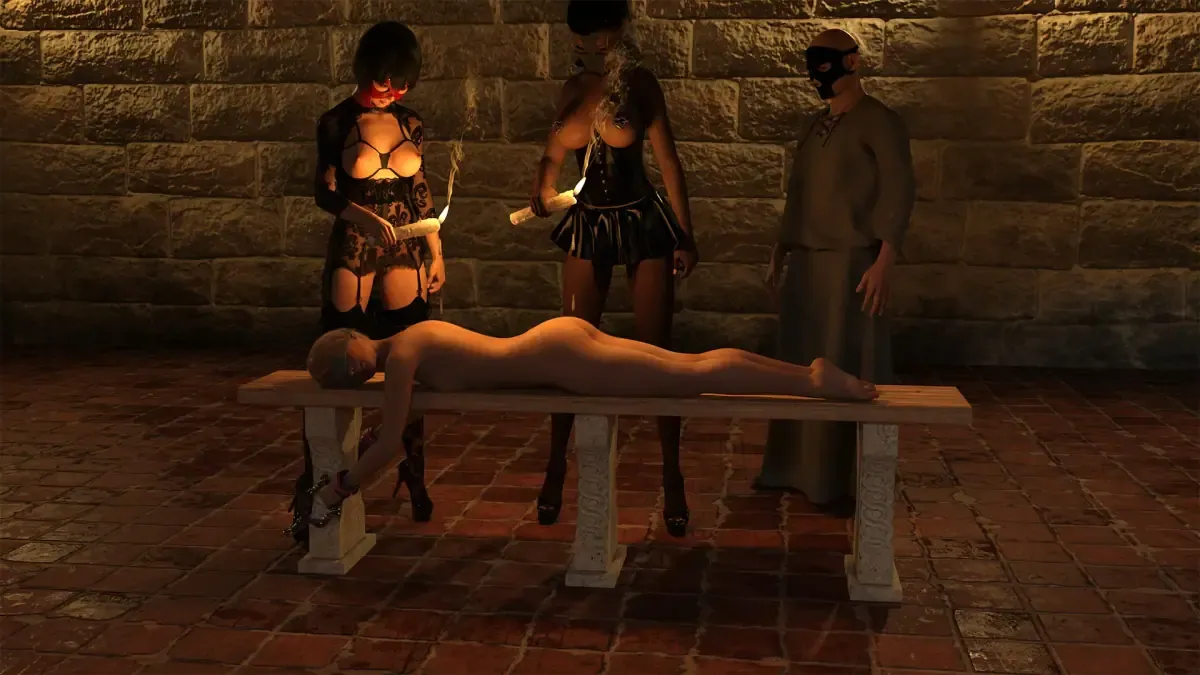
The Higher Society
Play The Higher Society
The Higher Society Screenshots
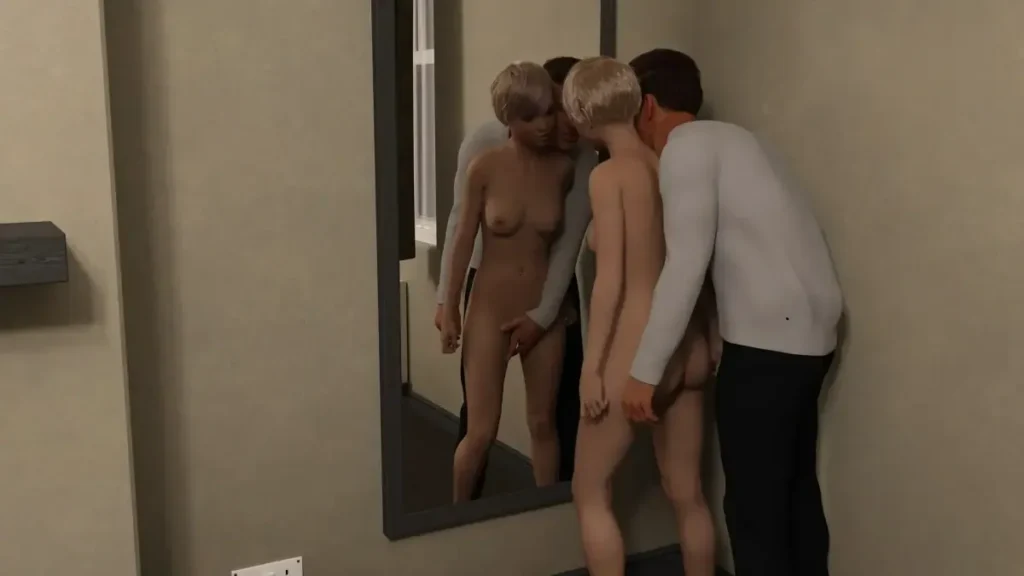








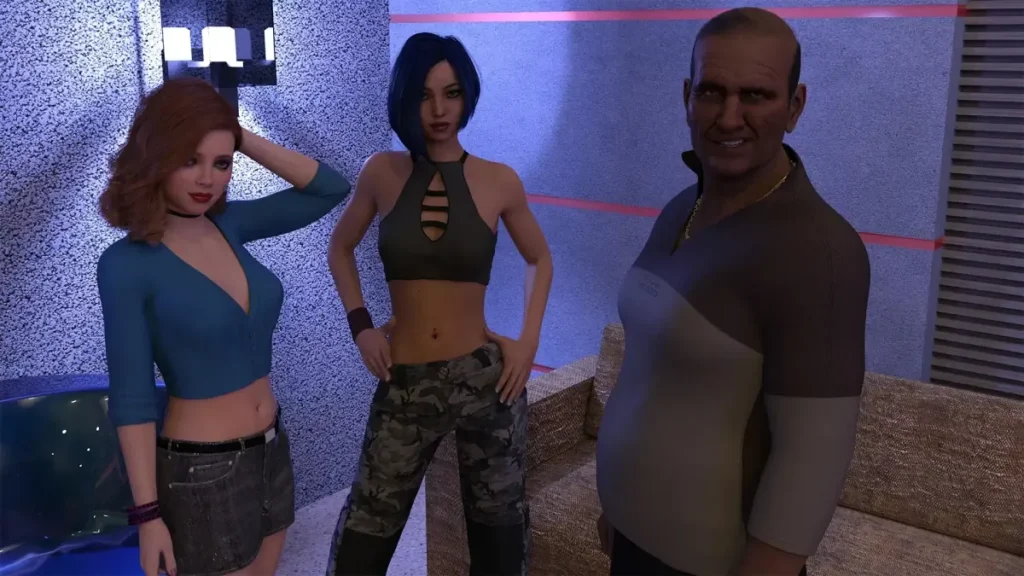
The Higher Society review
Explore gameplay mechanics, storyline, and character development in this narrative-driven experience
The Higher Society stands out as a narrative-focused interactive experience that combines relationship-building mechanics with strategic decision-making. This guide explores the game’s intricate storyline, character dynamics, and progression systems that have captured the attention of players seeking deep, choice-driven narratives. Whether you’re new to the game or looking to enhance your understanding of its mechanics, this comprehensive overview covers everything you need to know about what makes this title unique in the interactive fiction landscape.
Understanding The Higher Society: Core Gameplay Mechanics
Ever been totally fed up with a game where you mash the ‘A’ button through endless dialogue, knowing nothing you say really matters? 😩 I know I have. You’re just a passenger on a pre-set track, watching a story unfold that you had zero hand in shaping. It feels… pointless. Thankfully, The Higher Society is the glorious antidote to that feeling. This isn’t a game you watch; it’s a story you write with every single tap. Buckle up, because understanding The Higher Society gameplay mechanics is the key to unlocking one of the most engrossing digital narratives you’ll ever experience. 🎭
At its heart, this is a masterclass in interactive fiction mechanics. Forget complex control schemes; your primary tools are your wits, your empathy, and your sense of strategy. Every choice, from a seemingly throwaway compliment to a major moral stand, sends ripples through the game’s world. It’s a choice-driven narrative game that treats your intelligence with respect, asking you to think about consequences, alliances, and your own personal goals within a glittering, cutthroat social scene. Let’s pull back the velvet curtain and see how this incredible machine works.
How Choice-Driven Progression Works in The Higher Society
The core loop of The Higher Society is deceptively simple: you read, you choose, you see the outcome. But beneath that simplicity lies a wonderfully complex web of cause and effect. This is where the magic of branching narrative choices truly comes alive. The game doesn’t just offer you an illusion of choice; it builds entire narrative pathways based on your decisions.
Think of the story not as a straight line, but as a sprawling, ever-growing tree. 🎄 Every chapter presents you with key decision points—these are the branches. Choosing one branch doesn’t just change the immediate next scene; it often closes off other branches entirely while simultaneously sprouting new, unique ones you couldn’t have accessed otherwise. I remember one early playthrough where I chose to publicly side with a powerful socialite during a petty argument. It seemed insignificant at the time, but it instantly made me a sworn enemy of her rival. Chapters later, that rival refused to help me in a crucial business deal, forcing me to seek a far more dangerous alternative. The game remembers.
Character progression in The Higher Society is intrinsically tied to this system. You don’t gain “experience points” for winning fights. You grow by navigating social dilemmas. Your progression is measured in the relationships you cultivate, the secrets you uncover, and the reputation you build within this elite circle. Unlocking a new chapter often isn’t about defeating a boss; it’s about reaching a specific level of trust with a key character or making a pivotal story-altering decision. The game uses a traditional progression logic where certain narrative milestones must be hit before the next phase of the story is revealed.
Pro Tip: There is no “right” way to play. My first run, I was a charming people-pleaser. My second, a ruthless climber. The story, available scenes, and even which characters I interacted with the most were dramatically different. That’s the beauty of a true choice-driven narrative game.
Relationship Systems and Character Affinity Mechanics
If choices are the engine of the game, then relationships are the fuel. The relationship affinity system in The Higher Society is its crowning achievement. Every major character has a hidden “Affinity” score that tracks how they feel about you. This isn’t just a simple “like/dislike” meter. It’s a nuanced gauge of respect, trust, attraction, and sometimes fear, that directly gates how to unlock content in The Higher Society.
Your affinity with a character changes based on almost every interaction:
* Dialogue Choices: Choosing supportive, flattering, or aligned-interest options will typically raise affinity. Being dismissive, insulting, or contradicting them will lower it.
* Story Decisions: Choosing to help a character with their personal quest, or siding with them in a conflict, gives a major boost.
* Gifts and Interactions: Spending time with a character in special scenes, often unlocked by having a high enough affinity in the first place, can further deepen the bond.
This system creates a fantastic strategic layer. Do you focus all your energy on wooing the enigmatic heiress, or do you spread your attention to build a network of allies? You can’t be everyone’s best friend, as choices that please one person often alienate another.
Here’s a practical breakdown of how affinity levels typically work and what they unlock:
| Affinity Level | Character’s Demeanor | Example of Unlocked Content |
|---|---|---|
| Cold / Disliked | Openly hostile, dismissive, or avoids you. Dialogue is short and guarded. | Basic story scenes only. They may refuse to help you or even work against you. |
| Neutral / Acquaintance | Polite but distant. Will engage in small talk and basic plot interactions. | Access to their initial “quest” or personal storyline. Standard dialogue options. |
| Warm / Friendly | Warm and open. They smile, seek you out, and share minor secrets. | Unlocks special hangout scenes, deeper personal conversations, and the ability to give gifts. New, more intimate dialogue choices appear. |
| Close / Intimate | Deeply trusting and affectionate. You are a confidant and a priority. | Access to exclusive romantic or deeply personal story arcs. They may offer unique help, share crucial secrets that change the plot, or provide special items. |
| Devoted / Alliance | Utterly loyal. They will risk their reputation for you. | Unlocks the ultimate “loyalty” scenes and endings for that character. They provide decisive advantages in the endgame and their storyline concludes in a unique, fulfilling way. |
This structure makes every interaction feel meaningful. Raising someone from “Neutral” to “Friendly” might unlock a scene where you learn a critical piece of gossip about another character, giving you leverage in a future chapter. This is the essence of character progression in The Higher Society—you’re not just leveling up a stat, you’re fundamentally altering the social landscape.
Unlocking Content Through Strategic Decision-Making
So, how do you put all this together to steer the story and access the content you want? It’s all about strategic decision-making. The Higher Society gameplay mechanics reward players who think ahead and role-play their character’s goals consistently.
Think of yourself as a social engineer. 🧠 Every choice is an investment. Investing time and positive choices into Character A builds affinity, which unlocks their unique scenes (Content A). Those scenes might reveal a secret about Character B. You can then use that secret in a dialogue with Character B to rapidly build affinity with them, unlocking Content B. It’s a brilliant, interconnected puzzle.
Here’s a walkthrough example from my own playthrough, showing the chain reaction of choices:
Situation: You’re at a charity gala with two key characters: Eloise (a philanthropic but shrewd socialite) and Marcus (a cynical business magnate). Eloise is advocating for a large, public donation. Marcus thinks it’s a waste of money.
-
The Choice: Eloise asks for your public support.
- Option A: “I’m with Eloise. This cause is worth our investment.” (+Affinity with Eloise, -Affinity with Marcus)
- Option B: “Marcus has a point. We should be more strategic.” (+Affinity with Marcus, -Affinity with Eloise)
- Option C: “I need to think on it. Can we discuss this later?” (Neutral path, no immediate change)
-
My Action: I chose Option A, strongly siding with Eloise.
-
Immediate Outcome: Eloise’s affinity jumped to “Warm.” She pulled me aside later that evening (unlocked a private scene!). In that scene, she shared a confidential business worry about one of her companies.
-
Strategic Use: Two chapters later, Marcus was trying to pressure me into a bad deal. In the dialogue, a new option appeared: “I’m concerned about the supply chain, given the issues with Eloise’s recent venture.” This option was ONLY available because I had unlocked that private scene with Eloise and learned her secret.
-
Final Result: Using that insider knowledge stunned Marcus, showing I was well-connected and informed. It gave me a major advantage in the negotiation, allowing me to secure a better deal and even earned a sliver of respect from him, slightly offsetting the earlier affinity loss.
This example shows how branching narrative choices compound. A decision in Chapter 2 directly enabled a new strategy in Chapter 4. To access Marcus’s best content later, I might need to repair our relationship through other means, or I might decide to fully commit to Eloise’s alliance. The power is yours.
The pacing of content unlocks is masterful. The game doesn’t throw everything at you at once. It carefully gates deeper interactions and plot twists behind relationship thresholds and previous choice prerequisites. This makes each new scene feel like a hard-earned reward. You’re not just passively receiving story; you’ve actively built the conditions to see it.
Ultimately, The Higher Society is more than a game—it’s a narrative instrument, and you are the musician. By mastering its relationship affinity system, understanding the weight of its branching narrative choices, and strategically managing your character progression, you transform from a reader into a co-author. Every playthrough becomes a unique story, shaped by your ambitions, your allegiances, and your heart. So, step into the ballroom, decide who you want to be, and start writing your legacy. Your society awaits. ✨
The Higher Society delivers a compelling interactive experience that prioritizes player agency and narrative depth. Through its sophisticated relationship systems, branching storylines, and meaningful character interactions, the game creates an engaging world where your choices genuinely matter. Whether you’re drawn to the complex character relationships, the strategic decision-making, or the exploration of social dynamics, The Higher Society offers substantial content that rewards both careful planning and experimental playthroughs. The game’s strength lies in how it balances traditional progression mechanics with genuine narrative flexibility, allowing players to forge their own path through its richly developed world. For those seeking a narrative-driven experience with real consequences and meaningful character development, The Higher Society stands as a notable entry in interactive fiction gaming.